
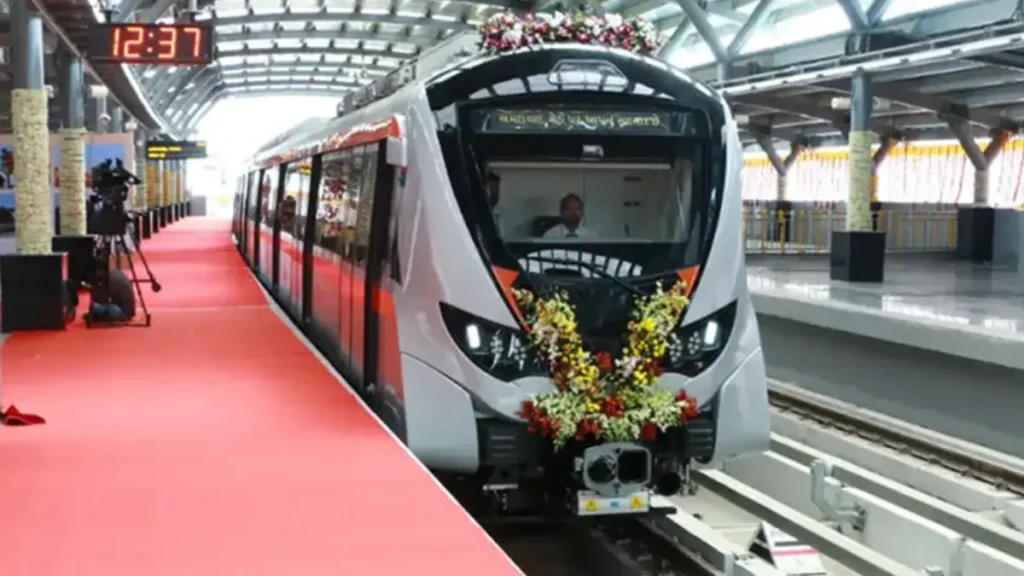
The Surat Metro Rail Project is set to transform urban mobility in one of India’s fastest-growing cities. Approved by the Government of India, this ambitious infrastructure initiative aims to provide a modern, efficient, and eco-friendly public transport system to millions of residents, daily commuters, and visitors in Surat.
With a total network length of 40.35 kilometers, the project includes two major metro corridors designed to connect key residential, commercial, and industrial zones across the city. The metro system is expected to significantly reduce travel time, ease congestion, and support sustainable urban development.
Project Overview
The Surat Metro Rail Project has been planned as a long-term solution to the city’s rising transportation demands. With rapid urbanization and population growth, Surat has been facing increasing pressure on its existing road infrastructure.
The metro project will be completed within an estimated five-year timeline, with a total project cost of approximately ₹12,020.32 crore. The initiative is being implemented by the Gujarat Metro Rail Corporation (GMRC) Ltd., a joint venture between the Government of India and the Government of Gujarat.
Key Project Details
| Feature | Details |
|---|---|
| Total Length | 40.35 km |
| Number of Corridors | 2 |
| Estimated Cost | ₹12,020.32 crore |
| Completion Timeline | 5 years |
| Implementing Agency | Gujarat Metro Rail Corporation (GMRC) Ltd. |
| Funding Pattern | 50:50 equity (GoI & Gujarat Govt.) + loans |
Corridor Details
The Surat Metro Rail Project consists of two strategically planned corridors that will cover major parts of the city.
Corridor 1: Sarthana to Dream City
Corridor 1 is the longest stretch of the metro network, covering 21.61 km. It includes both underground and elevated sections, making it one of the most technically diverse parts of the project.
- Underground Section: 6.47 km
- Elevated Section: 15.14 km
- Total Stations: 20
This corridor will pass through key areas such as Sarthana, Nature Park, Kapodra, Labheshwar Chowk, Central Warehouse, Surat Railway Station, Maskati Hospital, Gandhi Baug, Majura Gate, Roopali Canal, and Dream City.
Corridor 1 Highlights Table
| Segment Type | Length | Number of Stations |
|---|---|---|
| Underground | 6.47 km | Included in total |
| Elevated | 15.14 km | Included in total |
| Total | 21.61 km | 20 |
Corridor 2: Bhesan to Saroli
Corridor 2 spans 18.74 km and is entirely elevated, offering seamless connectivity across several densely populated areas.
- Total Length: 18.74 km
- Total Stations: 18
- Structure: Fully elevated
This route connects important localities including Bhesan, Ugat Vaarigruh, Palanpur Road, LP Savani School, Adajan Gam, Aquarium, Majura Gate, Kamela Darwaza, Magob, and Saroli.
Corridor 2 Highlights Table
| Feature | Details |
|---|---|
| Length | 18.74 km |
| Stations | 18 |
| Type | Fully Elevated |
Depots and Infrastructure
To ensure smooth operations and maintenance, the Surat Metro Rail Project includes two major depots:
- Dream City Depot
- Bhesan Depot
These facilities will handle train maintenance, operations, and system management, ensuring the metro runs efficiently and safely.
Major Benefits of the Surat Metro Rail Project
The Surat Metro Rail Project is expected to deliver a wide range of benefits, not just for commuters but also for the city’s overall development.
1. Improved Urban Mobility
The metro system will provide a reliable, safe, and seamless transport option, reducing dependence on private vehicles and easing traffic congestion.
2. Reduced Travel Time
With faster connectivity between key parts of the city, commuters will experience significant time savings in daily travel.
3. Environmental Benefits
The project promotes eco-friendly transportation, helping reduce air pollution and carbon emissions while lowering overall energy consumption.
4. Enhanced Safety and Security
Metro systems are known for their high safety standards, which will help reduce road accidents and improve commuter security.
5. Support for Sustainable Development
The metro corridors will guide planned urban expansion and better land use, contributing to sustainable city growth.
6. Economic Growth Boost
Improved connectivity will benefit residential, commercial, and industrial areas, boosting business activities and real estate development.
Population Coverage and Connectivity
The Surat Metro Rail Project is expected to benefit approximately 69.36 lakh people, including residents of the Surat Municipal Corporation area, surrounding urban regions, and nearby growth zones.
The project will also feature multimodal integration, allowing easy connectivity with:
- City buses
- Intermediate Public Transport (IPT) such as auto-rickshaws
- Non-Motorized Transport (NMT) like bicycles and pedestrian pathways
This integrated approach ensures a smooth and convenient travel experience across different modes of transport.
Funding Structure
The project is being financed through a balanced funding model:
- 50% equity from the Government of India and the Government of Gujarat
- Remaining funds through loans from bilateral and multilateral agencies
This structure ensures financial stability and timely execution of the project.
Also read: Vijaypat Singhania, Former Raymond Group Chairman, Passes Away at 87
Conclusion
The Surat Metro Rail Project marks a significant milestone in the city’s journey toward becoming a modern, sustainable urban hub. By offering a fast, affordable, and eco-friendly transport system, the project is set to improve the quality of life for millions while supporting long-term economic growth.
Once completed, the metro network will not only redefine public transportation in Surat but also set an example for other rapidly growing cities across India.