
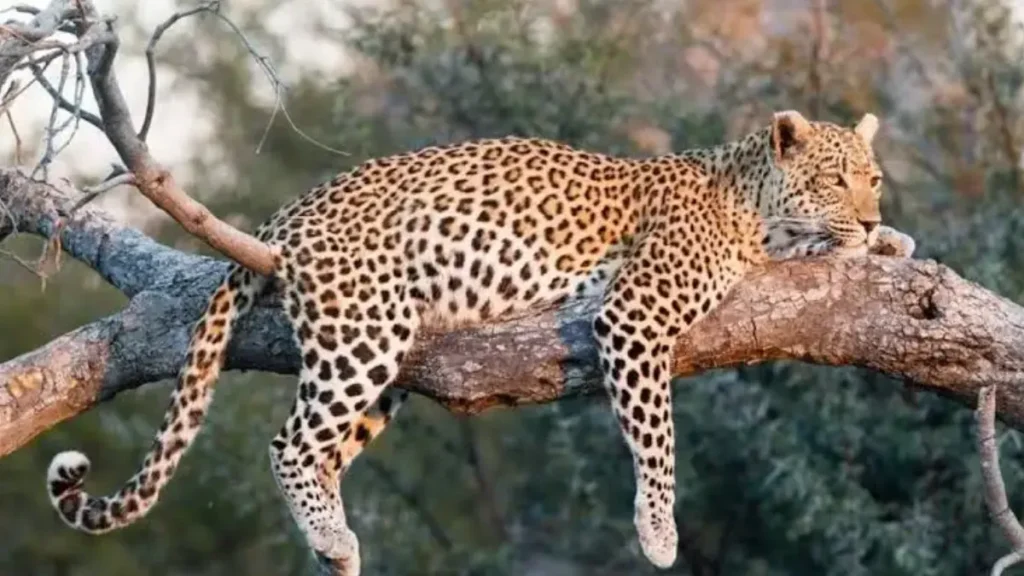
Mumbai: In a significant step toward wildlife management and conservation, the Maharashtra government has initiated the relocation of 25 leopards to Vantara, a large-scale wildlife rescue and rehabilitation facility located in Jamnagar, Gujarat. The move comes as the state grapples with a rapid rise in leopard population and increasing cases of human-wildlife conflict in several districts.
Maharashtra Forest Minister Ganesh Naik announced the relocation while addressing the state assembly during a discussion on amendments to wildlife conservation laws. According to Naik, the state government requested support from the Reliance Foundation to accommodate some of the animals at Vantara, which has been developed as a dedicated center for wildlife care, rescue, and conservation.
Leopard Population Rises Fourfold in a Decade
The minister revealed that Maharashtra has witnessed an extraordinary rise in its leopard population over the past decade. Around seven to eight years ago, the state had approximately 101 leopards. Today, that number has increased dramatically to 444.
This sharp growth in the big cat population has brought conservation success but has also created new challenges. In districts such as Pune, where the leopard population alone has reached around 150, authorities have faced growing concerns about encounters between humans and wildlife.
Naik explained that the relocation of leopards to Vantara was initiated partly to ease the pressure in areas with dense leopard populations. “Twenty-five leopards have already been sent to Vantara,” he informed lawmakers during the session. He added that the Maharashtra government has signed an agreement to relocate up to 50 leopards to the facility in Jamnagar in phases.
Addressing Human–Leopard Conflict
The increasing number of leopards in close proximity to human settlements has led to a rise in human–leopard conflict incidents across several regions of the state. These conflicts can occur when leopards venture into villages or agricultural areas in search of food or territory.
Until recently, wildlife officials faced procedural hurdles when trying to manage such situations. Under existing wildlife protection laws, the state’s Chief Wildlife Warden could not take action to manage or relocate leopard populations under Section 12 without obtaining prior permission from the central government.
Officials described the process as highly regulated and time-consuming, often delaying urgent responses to wildlife conflict situations. The lengthy approval process sometimes made it difficult for authorities to respond quickly when leopards entered populated areas.
New Legal Amendment to Speed Up Action
To address these challenges, the Maharashtra government introduced amendments to the state’s wildlife conservation framework. The amendment bill was passed by the Maharashtra Legislative Assembly last week and later approved by the Legislative Council.
With this legal change, the Chief Wildlife Warden will be empowered to take scientific and practical measures for managing leopard populations with the approval of the state government. These measures may include relocation, population control strategies, and other scientifically guided wildlife management practices.
Naik emphasized that the amendment would allow officials to respond more effectively to rising human–wildlife conflicts while ensuring the animals’ safety and conservation.
Also Read: PM Narendra Modi Inaugurates Samrat Samprati Museum at Koba Tirth in Gandhinagar on Mahavir Jayanti
Role of Vantara in Wildlife Conservation
The relocation program highlights the growing role of Vantara as a major wildlife rescue and conservation hub in India. Located in Jamnagar, Gujarat, the facility has been developed to provide advanced medical care, rehabilitation, and safe habitats for rescued animals from across the country.
By transferring leopards from high-conflict regions to Vantara, authorities hope to create a balanced approach that protects both wildlife and local communities. The facility’s large and carefully designed enclosures aim to ensure that relocated animals receive proper care while minimizing stress and health risks.
Wildlife experts believe that such collaborations between state governments and conservation institutions can help address complex challenges caused by growing wildlife populations and shrinking natural habitats.
As Maharashtra continues to manage its rising leopard numbers, the relocation initiative to Vantara represents a crucial step toward maintaining ecological balance while protecting human lives and preserving one of India’s most iconic big cats.