Ahmedabad Khira Case Update: Post-Mortem Report Reveals Dangerous Bacterial Infection in Child’s Death
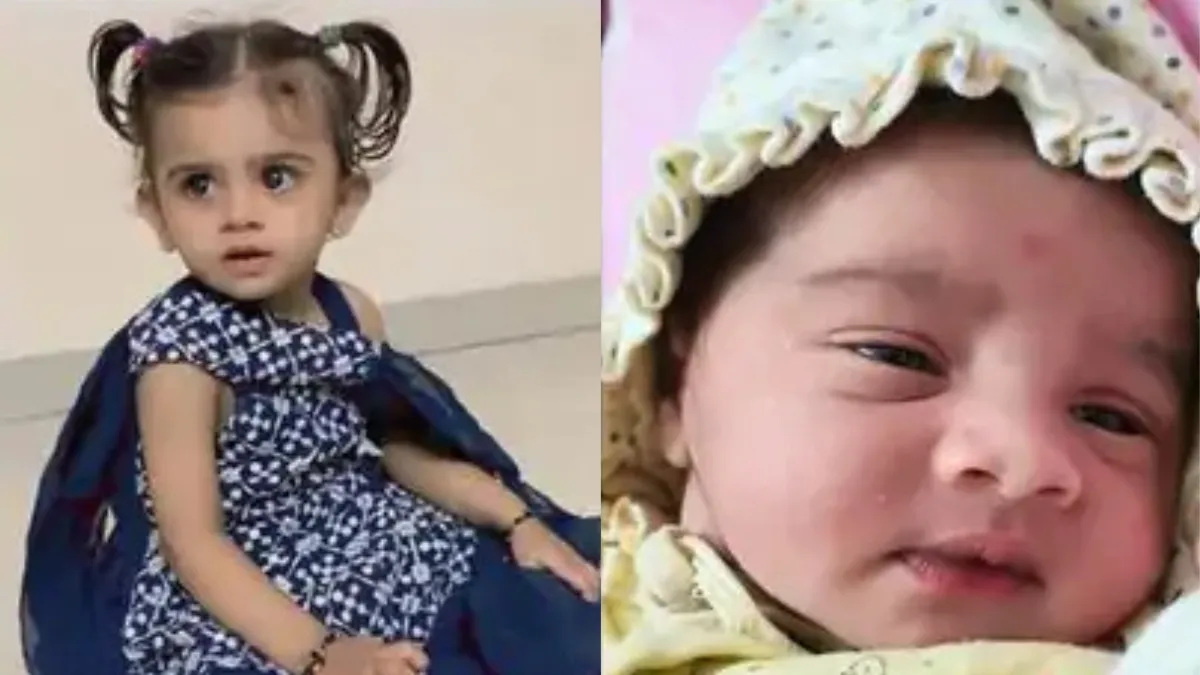
The investigation into the widely discussed Ahmedabad Khira case has taken a significant turn after the post-mortem report of a three-year-old girl revealed the presence of a dangerous bacterium linked to severe infection in the body.
According to medical findings, the child was found to be infected with Acinetobacter baumannii, a bacterium known for causing serious hospital-related infections. Doctors said the infection had spread rapidly through the bloodstream, leading to septicemia and eventually causing multiple organ failure.
The incident had earlier raised public concern after members of a family in Ahmedabad’s Chandkheda area reportedly fell ill after consuming dosa prepared from khira (batter) brought from a local dairy shop. Two young girls later died during treatment, prompting a police investigation and food safety testing.
Severe Infection Led to Organ Failure
Doctors involved in the case stated that the bacterial infection caused swelling in the lungs, making it difficult for the child to breathe. As the infection worsened, it affected vital organs and ultimately resulted in cardiorespiratory failure.
The post-mortem findings have now become a key part of the Ahmedabad Khira case investigation, especially because the bacterium identified is generally associated with healthcare environments rather than food contamination.
Civil Hospital Superintendent Dr. Rakesh Joshi said that Acinetobacter baumannii is not typically transmitted through khira or dosa consumption. According to him, the bacteria may have entered the child’s body through another form of infection.
What is Acinetobacter Baumannii?
Medical experts describe Acinetobacter baumannii as a highly resistant bacterium commonly found in hospitals, especially intensive care units (ICUs). It is considered dangerous because it can survive on surfaces for long periods and is resistant to several antibiotics.
Reports from the National Center for Biotechnology Information (NCBI) indicate that the bacterium often spreads in medical environments where patients have weak immune systems or require prolonged treatment.
Patients using ventilators, catheters, intravenous tubes, or surgical equipment are considered more vulnerable to such infections. The bacteria can enter the body through the respiratory tract, blood, urinary tract, surgical wounds, skin, or even the eyes.
Doctors also note that patients on ventilators face higher risks because the bacteria can grow on endotracheal tubes used for breathing support. In severe cases, the infection may lead to pneumonia, bloodstream infection, and organ damage.
What was the full story? Read on: Ahmedabad News: Two Children Die After Allegedly Eating Dosa Made from Batter in Chandkheda; Parents in Critical Condition as Investigation Begins
Police Await Further Medical Opinion
Deputy Commissioner of Police (Zone 2) Bharat Rathod said investigators are collecting all medical treatment records from the time the children were first admitted until their deaths. Authorities are also seeking expert medical opinions to determine how the bacteria entered the child’s body.
Officials stated that additional laboratory tests may be conducted if required during the investigation.
The Ahmedabad Khira case has drawn widespread attention across Gujarat due to the tragic deaths of two children and the initial suspicion surrounding contaminated food.
What was the full story? Read on: Dosa death ahmedabad Case: New Twist Emerges as Toxic Substance Found in Parents’ Blood
How the Incident Happened
The incident took place in Chandkheda’s Maruti Plaza Society, where resident Vimal Prajapati had reportedly purchased khira from Ghanshyam Dairy. The family later prepared dosa using the batter at home.
Soon after consuming the food, several family members reportedly experienced health complications. Two young girls-three-month-old Raha and four-year-old Misti-later died during treatment.
Following the incident, Chandkheda police registered a case of accidental death and launched an investigation. A Forensic Science Laboratory (FSL) team also collected samples from the dairy shop to test the quality and safety of the khira.
Authorities are now waiting for detailed forensic and medical reports to determine whether the food item had any role in the incident or whether the bacterial infection originated from another source.
The Ahmedabad Khira case continues to remain under close investigation as officials attempt to establish the exact cause behind the deaths and address growing public concerns over food safety and medical complications.