LPG Supply Plan B: Government Considers Major Changes to Gas Cylinder Supply Amid Global Crisis
A New Challenge for India’s Energy Security
India is once again facing a potential energy challenge as global geopolitical tensions begin to disrupt the supply of crude oil and liquefied petroleum gas (LPG). With ongoing conflict in West Asia tightening supply routes, the Indian government and oil marketing companies are now preparing contingency strategies to prevent a full-blown gas shortage.
At the center of this discussion is a possible emergency measure being widely referred to as “LPG Supply Plan B.” This plan could significantly change how domestic LPG cylinders are distributed across the country, potentially impacting millions of households.
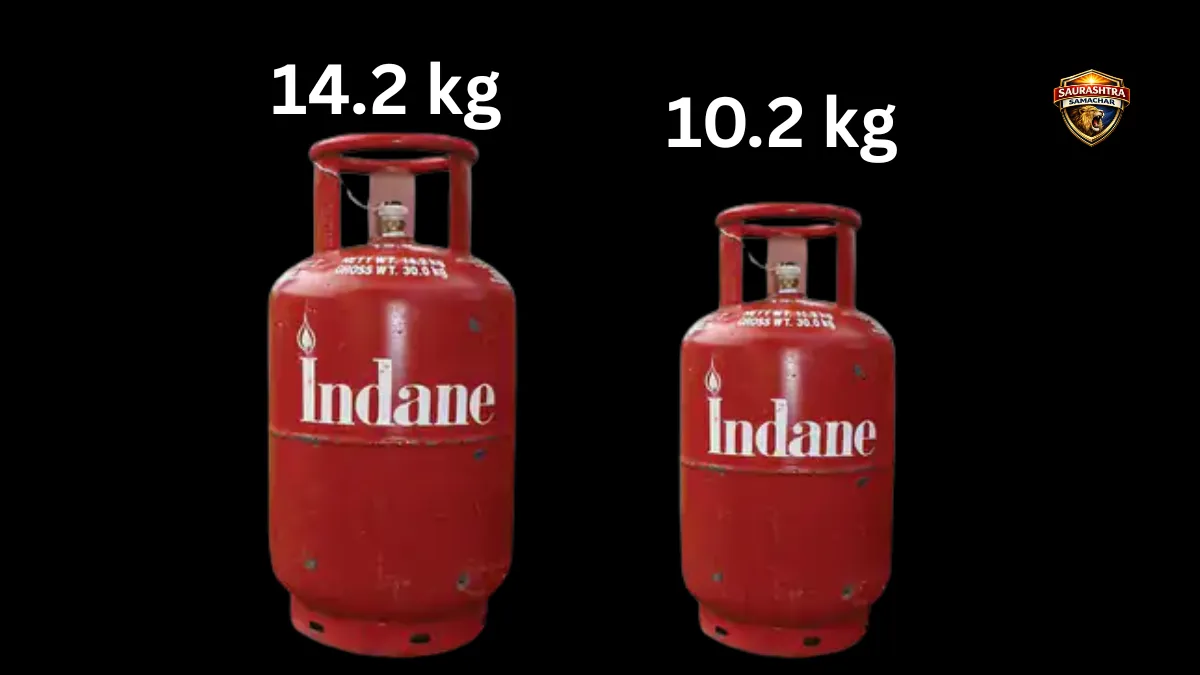
According to industry reports and government sources, authorities are considering reducing the quantity of LPG in standard household cylinders from 14.2 kg to 10 kg. The idea is simple but impactful: stretch limited supply to serve more households during a crisis.
This article provides a detailed, fully rewritten, and comprehensive explanation of the situation, covering all key aspects, facts, implications, and future possibilities related to LPG Supply Plan B.
Why Is India Considering LPG Supply Plan B?
The root of the issue lies in the ongoing conflict in West Asia, a region critical to global energy supply. This geopolitical instability has disrupted the flow of crude oil and LPG shipments, particularly through strategic routes like the Strait of Hormuz.
India depends heavily on imports to meet its LPG needs. Nearly 60% of the country’s LPG requirement is fulfilled through imports, and historically, a large portion of this supply comes from Gulf nations.
Due to the conflict:
- LPG carriers are delayed or stuck in transit
- Shipping routes are facing restrictions
- Supply inflow has slowed significantly
- Existing stock levels are declining rapidly
As a result, oil marketing companies are under pressure to manage dwindling reserves while ensuring uninterrupted supply to households.
To address this, the government is exploring LPG Supply Plan B, a temporary but strategic response to the crisis.
What Is LPG Supply Plan B?
LPG Supply Plan B is essentially a contingency plan aimed at conserving LPG and ensuring equitable distribution across the country during a supply crunch.
Key Proposal:
- Reduce LPG quantity in domestic cylinders from 14.2 kg to 10 kg
- Adjust pricing based on reduced quantity
- Label cylinders clearly to indicate new weight
Objective:
- Extend available LPG stock
- Ensure more households receive gas supply
- Prevent panic and hoarding
Officials believe that this measure can significantly improve supply distribution without drastically affecting daily usage patterns.
Will a 10 Kg Cylinder Be Enough for Households?
One of the most important questions surrounding LPG Supply Plan B is whether a reduced cylinder will meet household needs.
Current Consumption Pattern:
- A standard 14.2 kg cylinder typically lasts 35 to 40 days for a small or medium-sized family
With Reduced Quantity:
- A 10 kg cylinder is expected to last around 25 to 30 days
This means that while the refill cycle may become slightly more frequent, households will still be able to manage their daily cooking needs without major disruption.
From a policy standpoint, this trade-off allows authorities to serve a larger population with limited supply, which becomes crucial during crisis periods.
Pricing Changes Under LPG Supply Plan B
If the plan is implemented, pricing will also undergo adjustments.
Expected Pricing Mechanism:
- Prices will be proportionally reduced based on gas quantity
- New stickers or labels will indicate reduced weight
- Transparency measures will be introduced to avoid confusion
However, implementing this change is not as simple as it sounds.
Operational Challenges:
- Bottling plants will need to recalibrate weighing systems
- Distribution logistics will need to be updated
- Regulatory approvals will be required before rollout
Oil companies are currently evaluating these operational complexities before making any final decision.
Risk of Public Confusion and Political Impact
While LPG Supply Plan B is designed as a practical solution, it comes with certain risks.
Possible Concerns:
- Consumers may feel they are receiving “less for more”
- Sudden change in cylinder weight could create confusion
- Opposition in politically sensitive states, especially during elections
Authorities are aware of these challenges and are expected to take steps such as:
- Public awareness campaigns
- Clear labeling and pricing transparency
- Gradual implementation if approved
Despite concerns, officials have warned that the situation could worsen in the coming weeks, leaving limited options.
Will Commercial or Domestic Supply Be Affected First?
Another key aspect of LPG Supply Plan B is how supply restrictions will be prioritized.
Current Scenario:
- Commercial LPG supply was initially reduced to conserve stock
- It has now been partially restored
Impact Sequence:
- Commercial Users (Hotels, Restaurants, Industries)
- First to face restrictions
- Domestic Users (Households)
- Impact comes later but is now becoming visible
Data Insights:
- India consumes around 93,500 tonnes of LPG daily
- About 86% (80,400 tonnes) is used by households
- Consumption dropped by 17% in early March, indicating reduced usage and growing concern
This data highlights the scale of dependency on LPG and the seriousness of the situation.
What Is Happening to LPG Shipments?
The disruption of LPG supply is closely linked to shipping constraints.
Current Situation:
- No major new shipments are arriving from the Gulf
- Only a few vessels have reached India recently
Example:
- Two ships recently delivered 92,700 tonnes of LPG, roughly equal to one day’s national consumption
This clearly shows how fragile the supply chain has become. Even minor disruptions can significantly impact availability across the country.
The Role of the Strait of Hormuz
The Strait of Hormuz is one of the most critical energy trade routes in the world.
Why It Matters:
- A large percentage of global oil and LPG shipments pass through it
- Any disruption directly affects countries like India
Current Impact:
- Sharp decline in the number of vessels passing through
- Increased shipping risks and delays
- Higher transportation costs
Due to this, India’s LPG imports have been severely affected, making LPG Supply Plan B even more relevant.
Government’s Official Stand
Government officials have acknowledged the seriousness of the situation while trying to maintain public confidence.
A senior official from the petroleum ministry recently described LPG availability as “concerning” and emphasized the need for conservation.
Key Points from Officials:
- Domestic LPG supply is still stable for now
- However, future weeks could become more challenging
- Preventive steps are being evaluated
The government is trying to strike a balance between:
- Avoiding panic
- Preparing for worst-case scenarios
How Serious Is the LPG Crisis in India?
The current situation is not yet a full-blown crisis, but warning signs are clearly visible.
Key Indicators:
- Declining stock levels
- Reduced imports
- Falling consumption due to conservation
- Supply chain disruptions
Dependency Factors:
- 60% import dependency
- Heavy reliance on Gulf countries (previously ~90% supply share)
These factors make India vulnerable to global disruptions, especially during geopolitical conflicts.
What Could Happen Next?
Looking ahead, the situation remains uncertain.
Possible Scenarios:
1. Situation Improves
- Conflict de-escalates
- Supply routes normalize
- LPG Supply Plan B may not be needed
2. Situation Remains Unchanged
- Limited imports continue
- Government introduces partial measures
- Cylinder quantity reduction may begin
3. Situation Worsens
- Severe supply shortages
- Strict rationing of LPG
- Full implementation of LPG Supply Plan B
Experts believe that the next few weeks will be critical in determining which path the country takes.
Impact on Common Citizens
For the average household, LPG Supply Plan B could bring noticeable but manageable changes.
Likely Effects:
- More frequent cylinder refills
- Slight adjustment in cooking habits
- Increased awareness of gas usage
However, the plan ensures that:
- No household is left without supply
- Distribution remains fair during crisis
Industry Perspective
Oil marketing companies are facing a complex challenge:
Their Concerns:
- Managing limited inventory
- Avoiding public backlash
- Adjusting logistics and operations
At the same time, they must ensure:
- Continuous supply chain functioning
- Compliance with government directives
Conclusion: A Necessary Step in Uncertain Times
The proposed LPG Supply Plan B reflects the government’s proactive approach to managing a potential energy crisis. While reducing cylinder quantity may not be an ideal solution, it is a practical strategy in times of limited supply.
India’s heavy dependence on imported LPG makes it vulnerable to global disruptions, and this situation highlights the need for:
- Diversified energy sources
- Strategic reserves
- Efficient consumption
For now, the government maintains that domestic supply is stable. However, preparations for worst-case scenarios are clearly underway.
As global conditions evolve, the fate of LPG Supply Plan B will depend on how quickly supply chains recover and whether geopolitical tensions ease.
Until then, conservation, awareness, and preparedness remain the key pillars of India’s energy strategy.
Related News