Banas Hospital Rabies Case: Rare Infection After Mongoose Bite Leaves Doctors Surprised
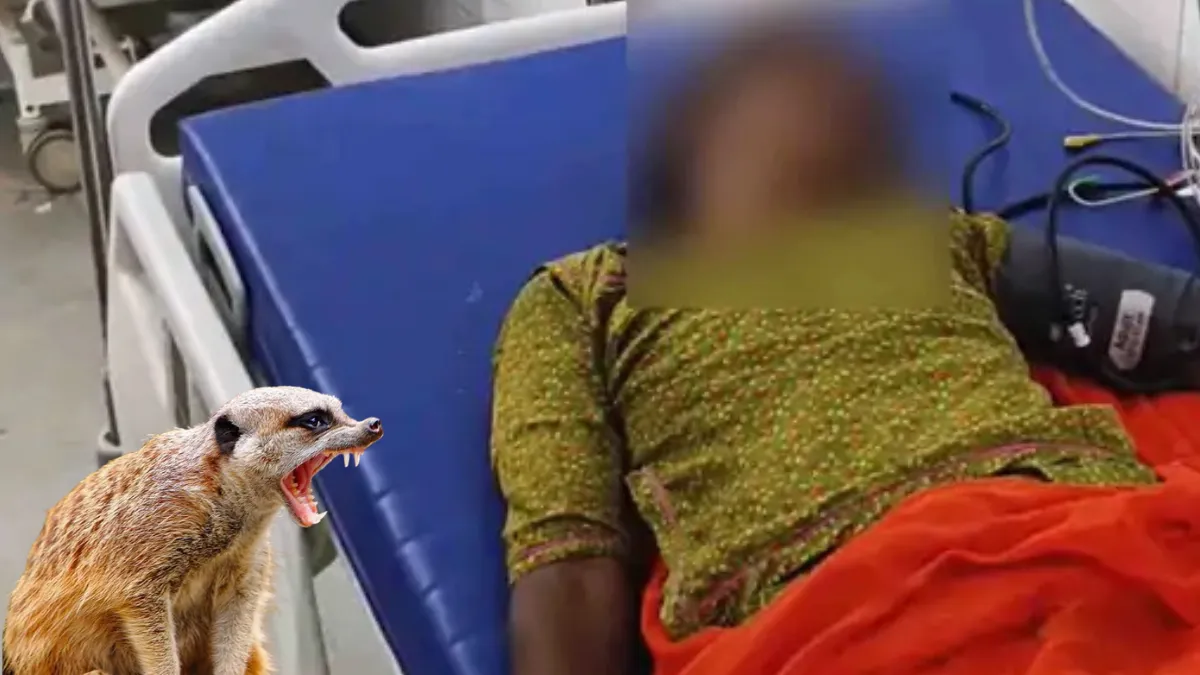
Woman From Rajasthan Develops Rabies Symptoms Weeks After Animal Bite
Banas Hospital Rabies Case: A highly unusual medical case has emerged at Banas Medical College and General Hospital in Palanpur, Gujarat, where a 45-year-old woman from Rajasthan has been diagnosed with rabies nearly six weeks after being bitten by a mongoose. The incident, now widely referred to as the Banas Hospital Rabies Case, has drawn attention from medical professionals because rabies transmission through a mongoose bite is considered extremely rare.
Doctors treating the woman said she was admitted after developing classic symptoms associated with rabies, including severe fear of water, a condition known as hydrophobia. The case has shocked healthcare workers and raised questions about awareness and treatment following animal bites.
Initial Treatment Was Not Completed
According to information shared by hospital authorities, the woman, a resident of Sirohi district in Rajasthan, was bitten by a mongoose about one and a half months ago. Following the incident, she sought treatment at a government healthcare facility in her area.
Medical staff reportedly administered the first dose of the anti-rabies vaccine. However, when she later returned for follow-up doses, she was allegedly informed that mongoose bites generally do not lead to rabies infection and that additional vaccinations were not necessary. Based on that advice, she did not complete the recommended vaccination schedule.
Health experts emphasize that post-exposure rabies vaccination is one of the most effective ways to prevent the disease after a potentially risky animal bite. Failure to complete the prescribed course can leave a person vulnerable if the animal was carrying the virus.
Symptoms Began Appearing Weeks Later
Several weeks after the bite, the woman started experiencing serious neurological symptoms. Family members noticed that she became distressed when water was brought near her and was unable to drink normally.
When her condition worsened, she was brought to Banas Medical College and General Hospital in Palanpur for evaluation. Doctors there observed symptoms consistent with hydrophobia, one of the most recognizable signs of rabies infection in humans.
Medical teams conducted clinical assessments and concluded that the woman was suffering from rabies. The diagnosis surprised many physicians because cases linked to mongoose bites are rarely reported.
Doctors Call It an Extremely Rare Case
Dr. Sunil Joshi of Banas Medical College said the case was unlike anything he had encountered during his medical career. According to him, the patient displayed classic rabies symptoms, particularly extreme fear and panic when exposed to water.
He noted that while rabies is commonly associated with dog bites, transmission through other mammals is possible if the animal is infected. However, developing rabies following a mongoose bite is highly uncommon, making the case particularly noteworthy from a medical perspective.
Doctors at the hospital said the patient’s reaction to water and other neurological symptoms strongly indicated advanced rabies infection.
Why Rabies Is Considered One of the Deadliest Diseases
Rabies is a viral disease that attacks the central nervous system. It is usually transmitted through the saliva of an infected animal, most commonly through bites or scratches. Once symptoms appear, the disease is almost always fatal.
Early symptoms may include fever, weakness, headache, and discomfort around the bite area. As the infection progresses, patients can develop anxiety, confusion, hallucinations, difficulty swallowing, muscle spasms, and hydrophobia.
Medical experts worldwide stress that rabies can be prevented through immediate wound cleaning and timely vaccination after exposure. However, once clinical symptoms begin, treatment options become extremely limited.
A Reminder About Animal Bite Awareness
The Banas Hospital Rabies Case highlights the importance of taking every animal bite seriously, regardless of the species involved. Public health experts advise that anyone bitten by a wild or unknown animal should seek medical attention immediately and follow the complete vaccination protocol recommended by healthcare professionals.
The case has also sparked discussion about the need for greater awareness regarding rabies prevention, particularly in rural areas where encounters with wild animals may occur more frequently.
As doctors continue to monitor the patient’s condition, the incident serves as a sobering reminder of the deadly nature of rabies and the critical role of timely preventive treatment.