NIA Files Chargesheet Against Three Accused in Gujarat Ricin Poison Terror Plot
India’s anti-terror agency, the National Investigation Agency (NIA), has filed a chargesheet against three men accused of planning a major terror attack involving the use of ricin poison in Gujarat. According to investigators, the accused were allegedly influenced by the extremist group ISIS and were preparing to carry out attacks aimed at causing mass casualties in public places.
The case, which was initially uncovered by the Gujarat Anti-Terrorism Squad (ATS), has raised serious concerns over the potential use of biological toxins in terror-related activities. Officials say the accused were allegedly working under the guidance of foreign-based ISIS handlers and were involved in recruiting radicalised youth, storing illegal weapons, and preparing toxic substances for possible attacks.
Three Accused Named in Chargesheet
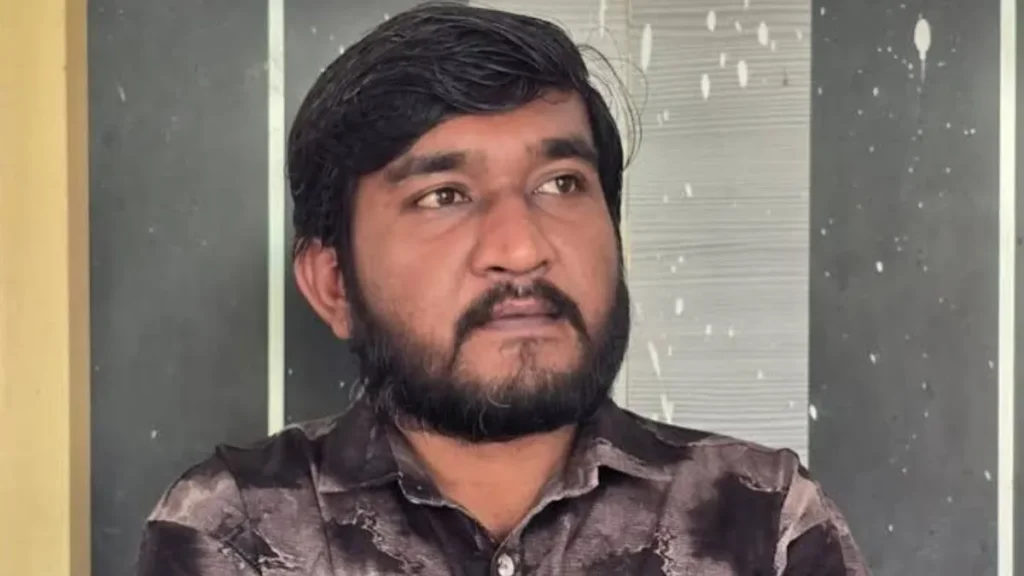
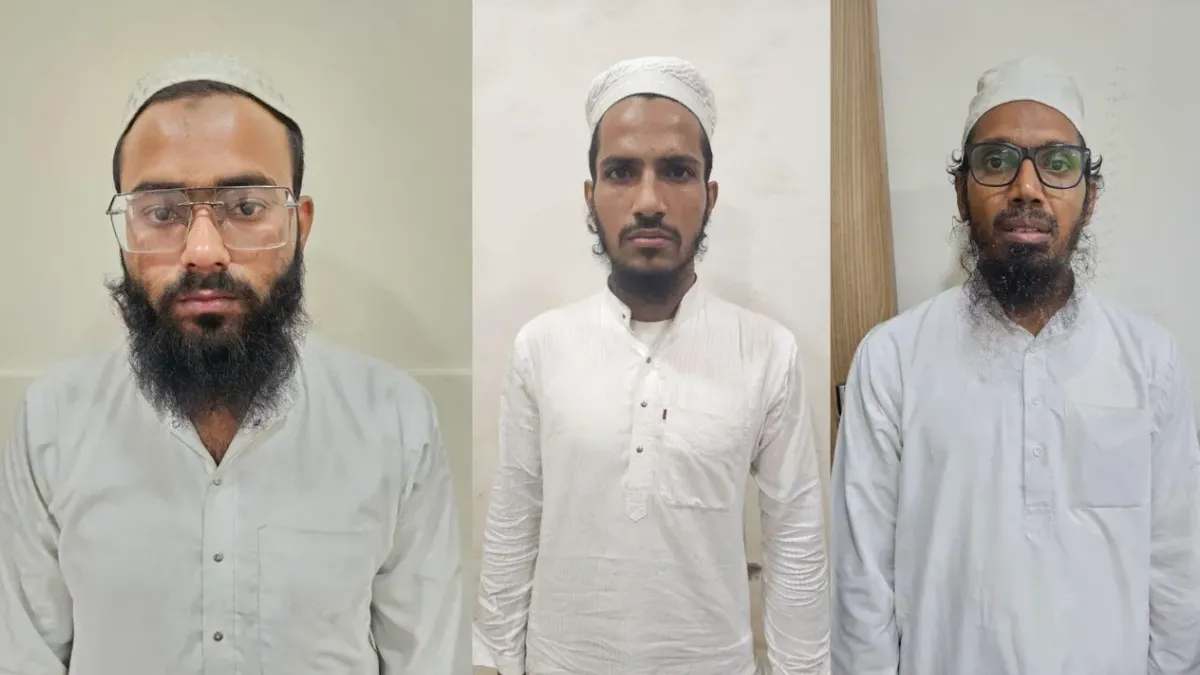
The NIA has named three accused in the chargesheet: Dr. Syed Ahmed Mohiuddin, a resident of Hyderabad, and two alleged associates, Azad and Mohammad Suhail, both from Uttar Pradesh.
The chargesheet has been filed under various provisions of the Unlawful Activities (Prevention) Act (UAPA), the Bharatiya Nyaya Sanhita (BNS), and the Arms Act. Investigators allege that the group was operating as part of a coordinated terror conspiracy linked to ISIS ideology and directives.
According to the NIA, the accused were not acting independently. Instead, they were allegedly in regular contact with overseas handlers connected to ISIS and were receiving instructions related to recruitment, logistics, and operational planning.
Alleged Plan Involved Use of Ricin Poison
One of the most alarming aspects of the case is the alleged plan to use ricin, a highly toxic substance derived from castor beans. Ricin is considered extremely dangerous because even small quantities can be fatal if inhaled, ingested, or injected.
Investigators say the accused were exploring ways to use ricin as part of a larger terror operation intended to target civilians. The substance is internationally recognised as a hazardous toxin and is included in the schedules of the Chemical Weapons Convention due to its potential misuse.
Security agencies believe the plot represented a shift toward more sophisticated and unconventional terror methods, including the possible use of toxic materials rather than traditional explosives alone.
Gujarat ATS First Cracked the Case
The investigation began after Gujarat ATS officials arrested Dr. Mohiuddin in November 2025. Authorities intercepted him at a toll plaza while he was allegedly transporting illegal weapons, four litres of castor oil, and other suspicious materials.
Officials later claimed that the castor oil and related materials were linked to efforts to produce ricin. Following Mohiuddin’s arrest, ATS teams detained Azad and Mohammad Suhail on the same day as part of the expanding investigation.
During the probe, investigators allegedly discovered that the two co-accused had first collected packets containing money and weapons from a secret location in Hanumangarh, Rajasthan. These materials were then reportedly hidden in Chhatral, Gujarat, from where Mohiuddin was expected to retrieve them.
Authorities believe the operation involved careful planning, coordination, and the use of covert communication channels to avoid detection.
NIA Took Over Investigation in January 2026
The NIA formally took over the case in January 2026 after preliminary findings suggested possible international terror links and a broader ISIS-inspired network.
During the investigation, the agency reportedly uncovered evidence indicating that Mohiuddin had been recruited into the conspiracy by an overseas handler. Investigators claim he was promised a senior leadership position within ISIS operations in South Asia in exchange for carrying out the planned activities.
The agency further alleged that Mohiuddin had converted his residence in Hyderabad into a secret laboratory where experiments were being conducted to extract ricin from castor seeds. Officials say this setup was part of preparations for a future terror strike.
The allegations have drawn attention because Mohiuddin reportedly holds an MBBS degree from China, raising concerns over the misuse of scientific and medical knowledge in extremist operations.
Recruitment and Radicalisation Efforts Under Scanner
According to the chargesheet, the accused were also involved in identifying and recruiting vulnerable youth who had already been exposed to radical ideology online or through extremist networks.
The NIA alleges that the trio attempted to encourage support for violent “jihad” activities and sought to spread fear through the use of illegal weapons and bioterror-related methods.
Investigators say the accused maintained communication with handlers abroad and received funds linked to terror activities. The money was allegedly used for logistics, surveillance operations, procurement of weapons, and maintaining secret hideouts.
The agency has also accused Azad and Suhail of conducting reconnaissance activities and helping store illegal arms and ammunition as part of the conspiracy.
Growing Concerns Over Bioterror Threats
Security experts have increasingly warned about the risk of terror organisations experimenting with toxic chemicals and biological substances. While India has faced multiple terror threats in the past, cases involving suspected bioterror elements remain relatively rare.
The ricin case has therefore attracted significant attention from intelligence and security agencies. Experts believe such plots demonstrate how extremist groups may attempt to adapt their methods using easily available materials and online radicalisation networks.
Ricin itself is not difficult to derive from castor beans, which are widely available in several parts of the world. However, handling and processing the toxin safely requires technical knowledge, making the alleged involvement of a medically trained individual particularly concerning for investigators.
Authorities have not disclosed whether the accused had identified specific targets or reached the final stages of operational planning. However, officials insist that timely intervention by Gujarat ATS and later by the NIA prevented a potentially serious threat.
Investigation Still Ongoing
The NIA has indicated that the investigation is continuing and that additional evidence is being examined. Officials are also looking into the wider network of contacts, digital communications, financial transactions, and overseas connections linked to the accused.
The agency is expected to present further details before the court as legal proceedings move forward. Security agencies across the country remain on alert amid concerns about the growing influence of online radicalisation and cross-border extremist networks.
The case highlights the continuing challenge faced by Indian authorities in monitoring terror financing, encrypted communications, and attempts by extremist groups to recruit educated individuals for sophisticated operations.