Amreli Lion Attack Sparks Fear and Demands for Stronger Wildlife Safety Measures
Migrant Worker Killed in Rare and Tragic Lion Attack Near Rajula; Authorities Launch Emergency Response
Amreli Lion Attack: A tragic wildlife incident in Gujarat’s Amreli district has triggered widespread concern among local residents and renewed debate over human-wildlife conflict in regions where Asiatic lions and human settlements exist in close proximity. The incident, now widely referred to as the Amreli Lion Attack, resulted in the death of a migrant worker near Kovaya village in Rajula taluka, prompting forest officials to launch an intensive operation to locate and capture the animal involved.
The attack, described by residents as one of the most disturbing incidents witnessed in recent years, has raised questions about safety measures in lion-inhabited areas and the challenges of balancing wildlife conservation with public safety.
Victim Identified as Migrant Worker from Uttarakhand
According to local sources, the victim was identified as Prakash Chandra, a native of Pithoragarh in Uttarakhand. He had been working at a local hotel and restaurant in the Rajula region.
Reports indicate that the young man left his workplace late at night as he was preparing to travel back to his hometown. While passing through an area near Kovaya village, he was allegedly attacked by a lion lurking in the darkness. The animal reportedly dragged him into nearby vegetation, where the fatal attack took place.
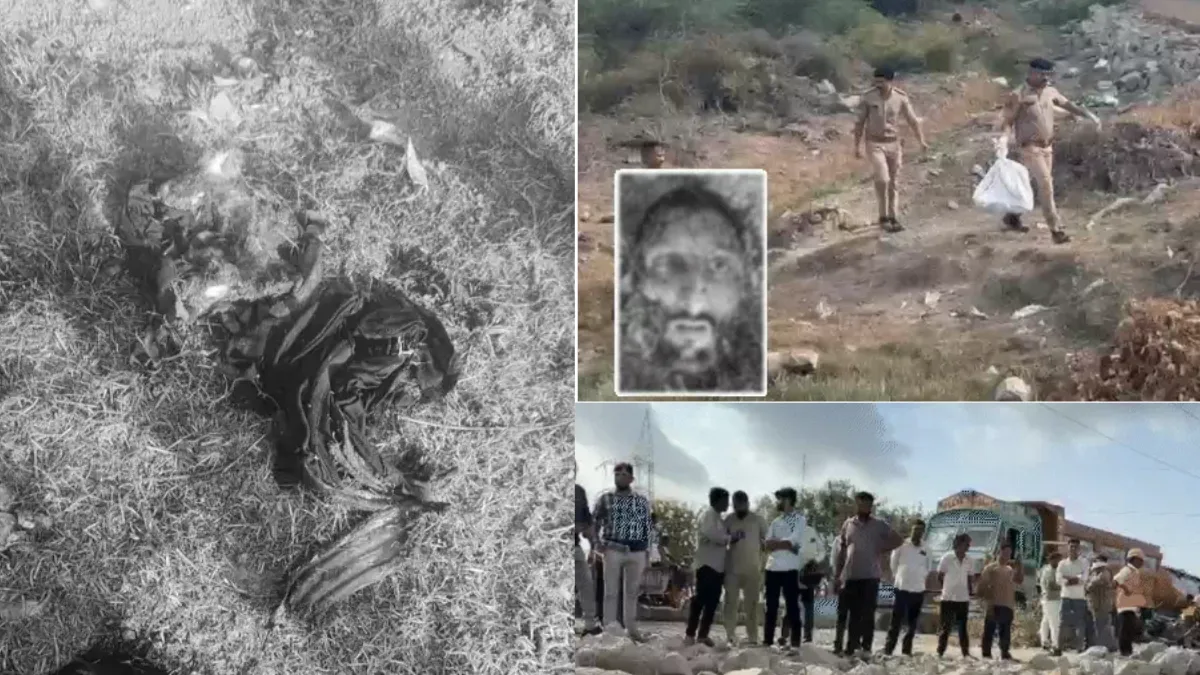
The incident came to light the following morning when local residents discovered human remains in the area and informed authorities. The shocking nature of the discovery sent waves of fear throughout nearby villages and industrial zones.
Shock and Fear Spread Across the Region
The aftermath of the attack has deeply affected communities living around Rajula and Kovaya. Residents described scenes of panic as news of the incident spread across the region.
Many villagers expressed concerns that lion sightings have become increasingly common around roads, industrial facilities, and residential areas. Several locals claimed that encounters with lions occur frequently, particularly during nighttime hours when visibility is low and movement of both people and wildlife increases.
The attack has reignited long-standing concerns among workers who commute during late-night shifts. The region hosts several industrial units and companies where employees often travel during odd hours, increasing the possibility of encounters with wild animals.
Residents Raise Concerns Over Growing Lion Presence
Following the incident, residents voiced frustration over what they perceive as inadequate safety arrangements in lion-prone areas.
Workers employed in nearby industries stated that lions are regularly seen moving through open spaces, roadsides, and areas close to company premises. According to local accounts, people traveling on foot or by two-wheelers feel particularly vulnerable because they lack the protection offered by enclosed vehicles.
Several residents argued that the increasing lion population in the region has created new challenges for communities living and working near wildlife habitats. They urged authorities to deploy additional forest personnel and monitoring teams to ensure the safety of workers and villagers.
The concerns highlight a broader issue faced by many communities in and around the Gir landscape, where the expanding range of Asiatic lions has led to more frequent interactions between humans and wildlife.
Village Leaders Demand Immediate Action
Local leaders have called for stronger intervention from the state government and forest department.
Kovaya village representatives said the victim was an outsider who had come to Gujarat in search of employment and was contributing to the local economy. They emphasized that regardless of a person’s place of origin, authorities have a responsibility to ensure public safety.
Village officials also pointed to previous wildlife-related incidents reported in nearby areas, arguing that the latest tragedy demonstrates the need for preventive measures rather than reactive responses.
Among the demands raised by local leaders are increased recruitment of wildlife trackers, improved surveillance of lion movements, and better coordination between forest officials and local communities. They have also urged the government to provide financial assistance to the victim’s family and to families affected by similar incidents in the past.
Some community representatives warned that public protests could occur if meaningful safety measures are not introduced in the near future.
Forest Department Launches Emergency Operation
Soon after receiving information about the attack, forest officials arrived at the site and began an investigation.
Senior officers from the Rajula forest range and adjoining divisions were deployed to assess the situation and determine which animal may have been involved. Given the seriousness of the incident, authorities ordered an immediate response aimed at locating and capturing the lion responsible.
Officials reportedly established a security perimeter around the area to prevent the animal from moving toward populated zones. Teams of wildlife experts, veterinarians, and field staff were mobilized to assist with the operation.
The response reflects the high level of concern associated with attacks involving protected wildlife species, especially when human casualties are involved.
Mega Rescue and Capture Mission Conducted
Forest authorities subsequently launched a large-scale operation in the dense vegetation surrounding the attack site.
The area contains thick patches of thorny shrubs and woodland that can provide cover for lions and other wildlife. Officials suspected that multiple lions could be present nearby, leading them to adopt a cautious approach.
Wildlife veterinarians and rescue personnel equipped with tranquilizing equipment participated in the operation. According to reports, a lion was eventually sedated and taken into custody after being located within the search zone.
Authorities indicated that investigations would continue to determine whether additional animals were involved. Monitoring efforts have also been intensified across the surrounding landscape.
Residents have been advised to avoid isolated areas during nighttime hours and to report wildlife sightings immediately to local forest offices.
Political Leaders Call for Increased Forest Resources
The Amreli Lion Attack has also drawn attention from political leaders in the region.
Rajula legislator Hira Solanki described the incident as deeply unfortunate and emphasized the need for stronger wildlife management systems. While acknowledging the success of Gujarat’s lion conservation efforts, he stressed that public safety must remain a priority alongside conservation goals.
The legislator argued that as lion numbers increase, corresponding investments should be made in forest infrastructure, staffing, and monitoring capabilities. Additional forest officers, caretakers, and field personnel could help authorities respond more effectively to wildlife-related emergencies, he said.
He also urged officials to ensure that any animal involved in the attack is identified and managed appropriately under existing wildlife protocols.
Understanding Human-Lion Conflict in Gujarat
The tragedy has once again highlighted the complex relationship between people and lions in Gujarat.
The state is home to the world’s only wild population of Asiatic lions, a conservation success story that has received international recognition. Over the past several decades, sustained conservation efforts have helped the lion population recover from critically low numbers.
However, population growth has also resulted in lions expanding beyond traditional forest boundaries. Today, lions are frequently seen in agricultural lands, coastal regions, industrial zones, and villages across parts of the Saurashtra region.
Wildlife experts note that such expansion increases the likelihood of encounters with humans. While most lion sightings do not result in attacks, isolated incidents can occur under specific circumstances, particularly during nighttime hours or when animals are moving through unfamiliar territory.
Experts generally emphasize that preventing conflict requires a combination of habitat management, community awareness, rapid response systems, and continuous monitoring of animal movements.
Balancing Conservation Success with Public Safety
The incident has reignited discussions about how authorities can maintain Gujarat’s celebrated lion conservation achievements while minimizing risks to local communities.
Conservationists argue that the survival and growth of the Asiatic lion population represent one of India’s greatest wildlife success stories. At the same time, they acknowledge that increasing interactions between lions and people require adaptive management strategies.
Potential solutions frequently discussed include strengthening early warning systems, expanding wildlife tracking programs, installing surveillance infrastructure in high-risk zones, and conducting public awareness campaigns for residents living near lion habitats.
Experts also highlight the importance of compensating affected families promptly when wildlife incidents occur, helping maintain public support for conservation initiatives.
Recent Wildlife Health Concerns Add to Challenges
The latest incident comes at a time when wildlife authorities have already been dealing with health-related challenges affecting lion populations in parts of Gujarat.
In recent weeks, concerns were reported regarding disease outbreaks among lions in certain forest ranges. Veterinary teams have been monitoring the situation closely following reports of lion deaths linked to suspected infections.
Forest officials have maintained that disease management efforts are ongoing and that the overall situation remains under control. Nevertheless, the combination of wildlife health concerns and a high-profile human fatality has increased pressure on authorities to strengthen monitoring and response mechanisms.
Also read: Rajkot 150ft Ring Road Accident: Speeding Volvo Car Hits Multiple Vehicles, Five Injured
Community Awaits Further Action
As investigations continue, residents of Kovaya and surrounding villages remain anxious about their safety. The tragic loss of a young worker has left a lasting impact on the community and intensified calls for practical measures to prevent similar incidents in the future.
The Amreli Lion Attack has become a stark reminder of the challenges that emerge when growing wildlife populations share space with expanding human activity. While officials continue their efforts to manage the situation, local communities are looking for assurances that stronger safeguards will be implemented.
For many residents, the tragedy is not only about a single attack but also about the broader need for coexistence strategies that protect both human lives and one of India’s most iconic wildlife species. How authorities respond in the coming weeks may shape public confidence in wildlife management across the region and influence future policies aimed at reducing conflict between people and lions.
Related News