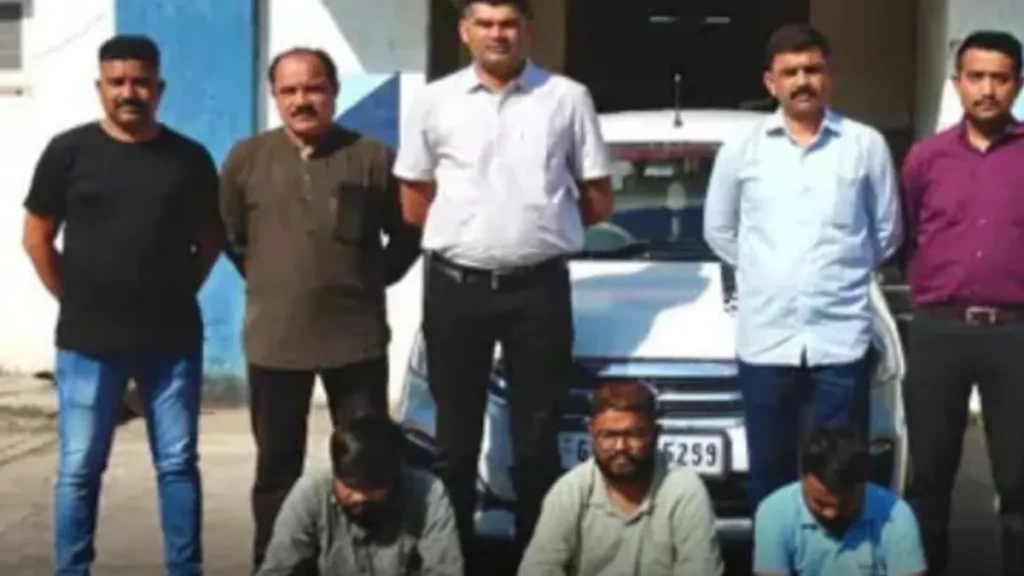
PoK Protest Violence: Tensions Escalate After Reported Firing on Demonstrators as Thousands Rally Against Pakistan Administration
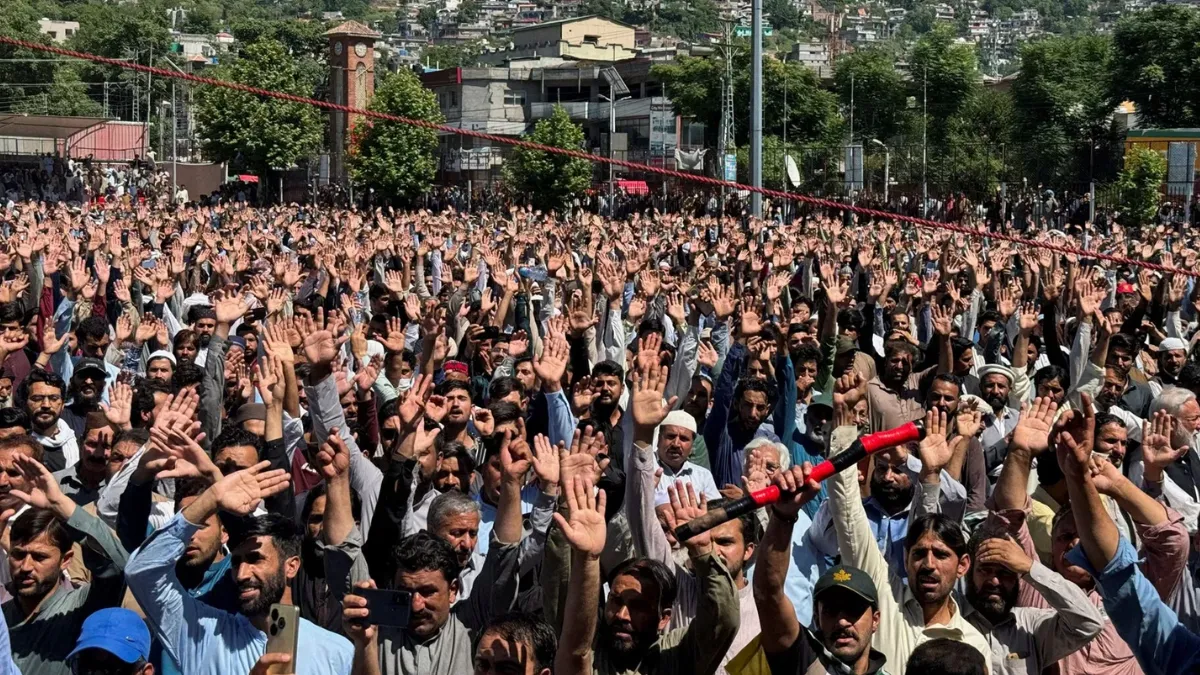
Large Protest Draws Tens of Thousands Amid Growing Political Unrest
PoK Protest Violence has once again drawn international attention after reports emerged of alleged firing by Pakistani security forces during a large protest in Pakistan-administered Kashmir on Sunday. The demonstration, organized by the Jammu and Kashmir Joint Awami Action Committee (JAAC), was described by the group as peaceful and aimed at highlighting political grievances, administrative concerns, and demands for fundamental rights.
According to claims made by JAAC and reported by ANI, nearly 40,000 people gathered at Sardar Ghulam Hussain Khan Sports Stadium in Abbaspur before the protest. The organization alleged that security personnel later opened fire on demonstrators in the AMB area of Dadyal without provocation, forcing people to flee in panic. JAAC claimed that several participants sustained serious injuries.
As of now, there has been no official confirmation regarding the number of injured individuals, and Pakistani authorities have not publicly responded to the allegations surrounding Sunday’s incident.
Protest Movement Focuses on Rights and Political Demands
The latest demonstration is part of an ongoing movement led by JAAC, which has increasingly criticized the administration in Islamabad over governance issues, civil liberties, and the detention of its leaders and activists.
The organization says its campaign seeks the immediate release of detained members and greater protection of basic democratic and constitutional rights. JAAC has repeatedly maintained that its demonstrations are intended to remain peaceful despite rising tensions in the region.
Organizers have argued that the movement represents growing frustration among residents over political representation, administrative decisions, and broader governance issues in Pakistan-administered Kashmir.
Participants Travel From Multiple Regions
Reports indicate that demonstrators traveled from several districts to participate in the rally. Convoys reportedly continued arriving throughout the day, reflecting widespread support for the movement across different parts of the region.
Women, elderly citizens, and families were also visible among the protesters. JAAC stated that women from Rawalakot and Chak played an active role in organizing and leading parts of the demonstrations.
The organization claimed that despite pressure from authorities, protesters remained committed to continuing their campaign through peaceful gatherings.
Overseas Kashmiris Hold Solidarity Demonstrations
The movement has also received support from members of the Kashmiri diaspora living abroad.
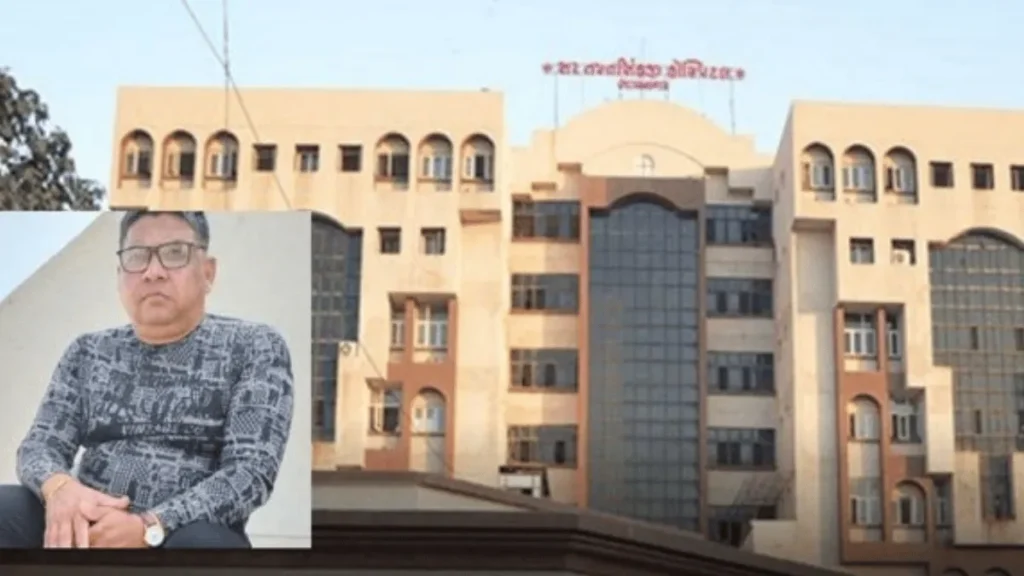
Following an appeal from JAAC, members of the Kashmiri community in Auckland, New Zealand, reportedly organized a solidarity protest demanding the release of Shaukat Nawaz Mir, a member of JAAC’s core committee who was recently arrested.
JAAC alleges that Mir’s detention has further increased tensions across Pakistan-administered Kashmir. The organization also launched a social media campaign calling for his release, encouraging supporters to participate under the “Release Shaukat Mir” campaign.
During overseas demonstrations, participants reportedly carried banners and raised slogans expressing support for the people of Kashmir and demanding the release of detained activists.
JAAC Sets Ambitious Mobilization Target
Ahead of future demonstrations, JAAC shared population estimates for the region’s ten districts on social media and urged greater public participation.
The organization stated that if approximately 50,000 people from each district joined future rallies, overall participation could reach around half a million people.
JAAC has instructed supporters to carry white flags during demonstrations as a symbol of peaceful protest and has appealed for discipline throughout the campaign. According to the organization, the objective is to communicate to the international community that the movement centers on demands for civil rights and better governance rather than violence.
Previous Month’s Violence Left Dozens Dead
The current PoK Protest Violence follows another deadly confrontation that occurred on June 8, when clashes between protesters and police reportedly resulted in significant casualties.
According to Reuters, around 30 people lost their lives during those confrontations, while more than 200 others were injured. The deaths reportedly included four police officers.
The news agency also reported injuries among security personnel and protesters, with authorities arresting around 30 individuals following the unrest.
Those clashes marked one of the most serious episodes of violence in the region in recent years and significantly heightened tensions between JAAC supporters and the administration.
Dispute Over Reserved Assembly Seats
A major political issue fueling the protests concerns twelve reserved seats in the legislative assembly of Pakistan-administered Kashmir.
These seats are allocated for refugees who migrated from Jammu and Kashmir to other parts of Pakistan. JAAC has opposed the current arrangement and has demanded changes to the reservation system, arguing that it no longer reflects present political realities.
The disagreement over these seats has become one of several contentious issues between the organization and regional authorities, alongside broader concerns about governance, political representation, and public services.
India Raises Human Rights Concerns
India has also commented on developments surrounding the protests.
The Ministry of External Affairs accused Pakistan of circulating misleading information and videos regarding the situation in Pakistan-administered Kashmir.
Speaking on the issue, External Affairs Ministry spokesperson Randhir Jaiswal stated that Pakistan had repeatedly attempted to divert attention from allegations of human rights violations through misinformation.
He also referred to reports describing police action against protesters, alleging that multiple civilians had been killed or injured during recent unrest.
India urged the international community to examine developments in Pakistan-administered Kashmir carefully and hold those responsible accountable if human rights violations are established.
Pakistan has not publicly accepted these allegations.
Ban on JAAC Intensified the Crisis
The political atmosphere became increasingly volatile after authorities banned JAAC on June 5 under anti-terrorism legislation.
The ban significantly escalated tensions between supporters of the organization and government authorities.
According to reports, Sunday’s confrontation occurred while JAAC activists were protesting outside a hospital morgue following the reported death of one of the organization’s members, who supporters claim died during earlier police firing.
When police attempted to disperse the gathering, clashes reportedly followed, leading to another round of violence.
Conflicting Accounts of the Violence
Officials and protest organizers have offered sharply different versions of how recent confrontations unfolded.
According to Rawalakot Commissioner Sardar Waheed Khan, protesters allegedly opened fire, resulting in the deaths of four police officers and one civilian passerby. He stated that security personnel responded to the attack, during which six protesters were killed.
Meanwhile, Pakistani newspaper Dawn reported that police accused individuals linked to JAAC of using shotguns and other weapons against security forces.
Authorities described the incident as a terrorist attack and said they would take strict action to maintain law and order while ensuring public safety.
JAAC, however, has consistently maintained that its demonstrations are peaceful and has accused security forces of using excessive force against unarmed participants.
Because these accounts remain disputed, several claims surrounding the incidents have not been independently verified.
Elections Add Political Significance
The unrest comes just weeks before legislative elections scheduled for July 27 in Pakistan-administered Kashmir.
The regional assembly consists of 53 seats. Of these, 45 are filled through direct elections, while the remaining seats are reserved for women, religious scholars, and technical experts.
With campaigning already underway, analysts believe the current protests could influence political discourse ahead of the vote.
Public dissatisfaction, governance issues, and questions surrounding political representation have become increasingly prominent topics as parties prepare for the election.
Political Instability Since the Last Election
Pakistan-administered Kashmir has witnessed significant political changes since the previous election in 2021.
In that election, the Pakistan Tehreek-e-Insaf (PTI), then led by former Prime Minister Imran Khan, secured a majority by winning 25 of the 45 directly elected seats. Sardar Abdul Qayyum Niazi subsequently became Prime Minister of the region.
However, political developments in Pakistan soon affected regional leadership.
Following political upheaval at the national level in 2022, Niazi resigned, and PTI appointed Sardar Tanveer Ilyas as his successor. His tenure ended in April 2023 after the region’s High Court disqualified him in a contempt case.
PTI then selected Chaudhry Anwar-ul-Haq as Prime Minister. He later distanced himself from both Imran Khan and PTI, positioning himself as an independent political figure.
His government also proved short-lived. In November 2025, he was removed through a no-confidence motion.
The office is now held by Faisal Mumtaz Rathore of the Pakistan Peoples Party (PPP), who currently leads the regional administration ahead of the upcoming elections.
Also read: Rihanna Shows Off Diamond Bracelet Gifted by Ambani Family During Recent India Visit
International Attention Remains Focused on the Situation
The latest PoK Protest Violence highlights the continuing political instability in Pakistan-administered Kashmir, where tensions between protesters and authorities have intensified in recent months.
While JAAC insists that its campaign is centered on civil rights, democratic participation, and administrative reforms, government authorities argue that security measures are necessary to maintain public order.
With conflicting narratives emerging from both sides and elections approaching, the situation remains fluid. Independent verification of several claims has been limited, making official investigations and transparent reporting crucial to establishing the full sequence of events.
As domestic political tensions continue alongside growing international scrutiny, developments in Pakistan-administered Kashmir are likely to remain closely watched by regional observers, human rights organizations, and governments in the weeks ahead.
Related News