Gujarat Assembly Passes UCC Bill: One Law for Marriage, Property, and Divorce Across All Communities
In a significant legislative move, the Gujarat Legislative Assembly has passed the UCC Bill, marking a major step toward implementing a Uniform Civil Code in the state. After Uttarakhand, Gujarat has become the second state in India to take a decisive step toward enforcing a common civil law framework governing personal matters such as marriage, divorce, and inheritance.
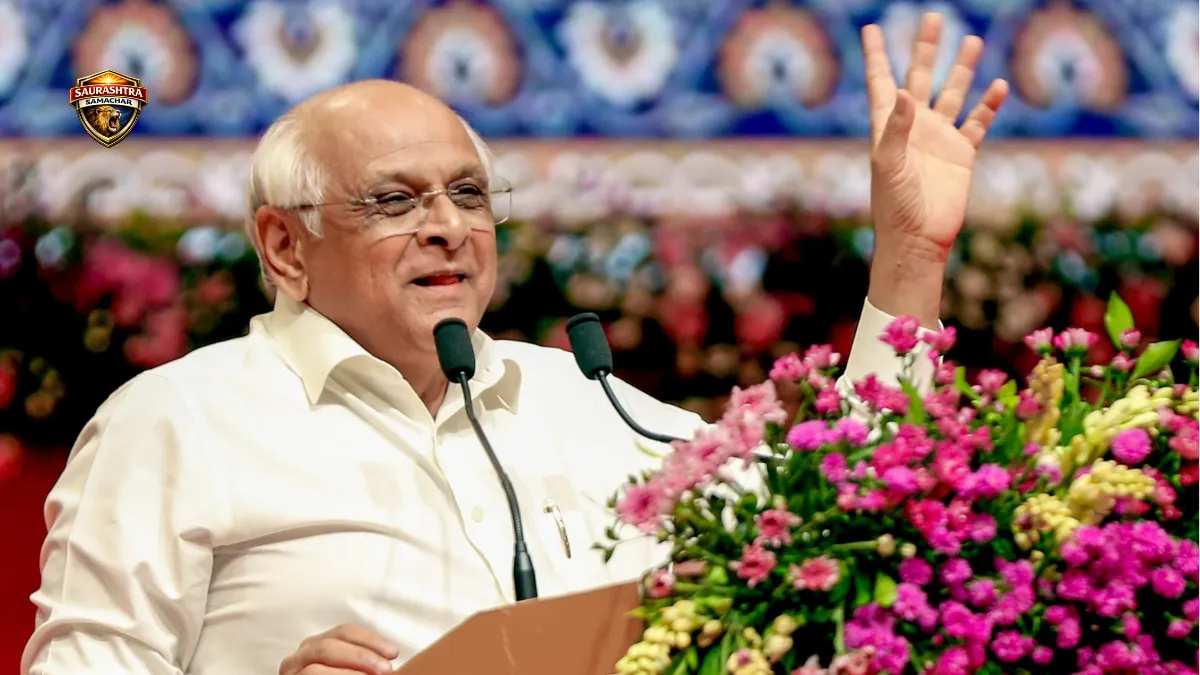
The bill was introduced and passed under the leadership of Chief Minister Bhupendra Patel amid intense debates and strong opposition from rival political parties. Despite the criticism, the government successfully passed the bill in the Assembly using its numerical majority.
A Step Towards Equality and Legal Uniformity
While presenting the legislation, Chief Minister Bhupendra Patel described the UCC Bill as a symbol of “equality and justice.” The proposed law aims to replace religion-based personal laws with a unified legal system applicable to all citizens of Gujarat, regardless of their faith.
The government has positioned the bill as a historic reform intended to ensure gender equality, strengthen women’s rights, and promote national unity. However, opposition leaders have raised concerns about its implications for religious freedom.
Once the bill receives approval from the Governor, it will move toward implementation as the Gujarat UCC Bill 2026, fundamentally reshaping the personal law landscape in the state.
Key Provisions of the UCC Bill
The UCC Bill introduces several major reforms that will directly impact citizens’ personal and family matters. Below is a clear breakdown of its most important provisions:
| Key Area | New Rule Under UCC Bill |
|---|---|
| Marriage Laws | Uniform rules for marriage across all religions |
| Divorce | Divorce outside court declared invalid |
| Inheritance | Equal rights for daughters in ancestral property |
| Live-in Relationships | Mandatory registration required |
| Polygamy | Strict punishment up to 7 years imprisonment |
| Forced Marriages | Criminal offense with legal penalties |
| Minor Protection | Cases involving minors fall under POCSO Act |
| Non-registration of Live-in | Up to 3 months imprisonment |
Major Highlights Explained
- Uniform Marriage and Divorce Laws: All communities will follow the same legal process for marriage and divorce, eliminating religion-based variations.
- Equal Property Rights: Daughters will now have equal rights in ancestral property, strengthening gender equality.
- Mandatory Live-in Registration: Couples in live-in relationships must officially register, making such arrangements legally accountable.
- Crackdown on Polygamy and Forced Marriage: The bill imposes strict penalties, including up to seven years in jail for violations.
- Legal Divorce Only Through Courts: Any divorce conducted outside the legal framework will be considered invalid, with penalties for offenders.
Exceptions Under the UCC Bill
Despite its broad scope, the UCC Bill does include certain exceptions to respect cultural and social diversity:
- Tribal communities have been exempted from the provisions of the law.
- Certain traditional practices within specific communities, such as customary marriages, will not be affected.
These exemptions indicate an attempt by the government to balance uniformity with cultural sensitivity.
Strong Opposition and Political Debate
The passage of the UCC Bill was not without controversy. The Indian National Congress strongly opposed the legislation, raising procedural and constitutional concerns.
Gujarat Congress President Amit Chavda criticized the government, claiming the bill was introduced in haste without sufficient consultation. He demanded that the proposal be sent to a select committee for deeper review.
Opposition members also staged a walkout from the Assembly, alleging that the bill was politically motivated and aimed at influencing upcoming elections. They further claimed that the committee report related to the bill was neither properly presented nor adequately discussed with legislators.
Legislative Process and Voting
The UCC Bill was debated extensively in the Assembly for nearly 7.5 hours. Following detailed discussions, the bill was put to a vote late in the evening and passed successfully.
The government defended the process, stating that the bill had undergone due consideration and that the reforms were necessary for long-term social progress.
What Happens Next?
With the Assembly’s approval secured, the next step is the Governor’s assent. Once signed into law, the Gujarat UCC Bill 2026 will come into force across the state.
Notably, the law will not only apply to residents within Gujarat but also extend to Gujaratis living outside the state, making its scope broader than many existing regional laws.
Why the UCC Bill Matters
The implementation of the UCC Bill could mark a transformative shift in India’s legal framework at the state level. By standardizing laws related to marriage, divorce, and inheritance, Gujarat aims to create a more consistent and equitable legal system.
Supporters argue that the bill strengthens women’s rights and ensures equal treatment under the law. Critics, however, remain concerned about its potential impact on religious autonomy and cultural practices.
Also Read: AAP Bhavnagar Municipal Corporation Candidate List 2026: First List of 12 Candidates Announced
Conclusion
The passage of the UCC Bill in Gujarat represents a landmark moment in the state’s legislative history. As the second state after Uttarakhand to move toward a Uniform Civil Code, Gujarat has set the stage for a broader national debate on legal uniformity versus cultural diversity.
With implementation expected soon, the real impact of the law will unfold over time, shaping not only legal practices but also the social fabric of the state.