FSSAI Energy Drink Rules: Why Sting, Red Bull and Other Popular Drinks May Soon Drop the ‘Energy Drink’ Label
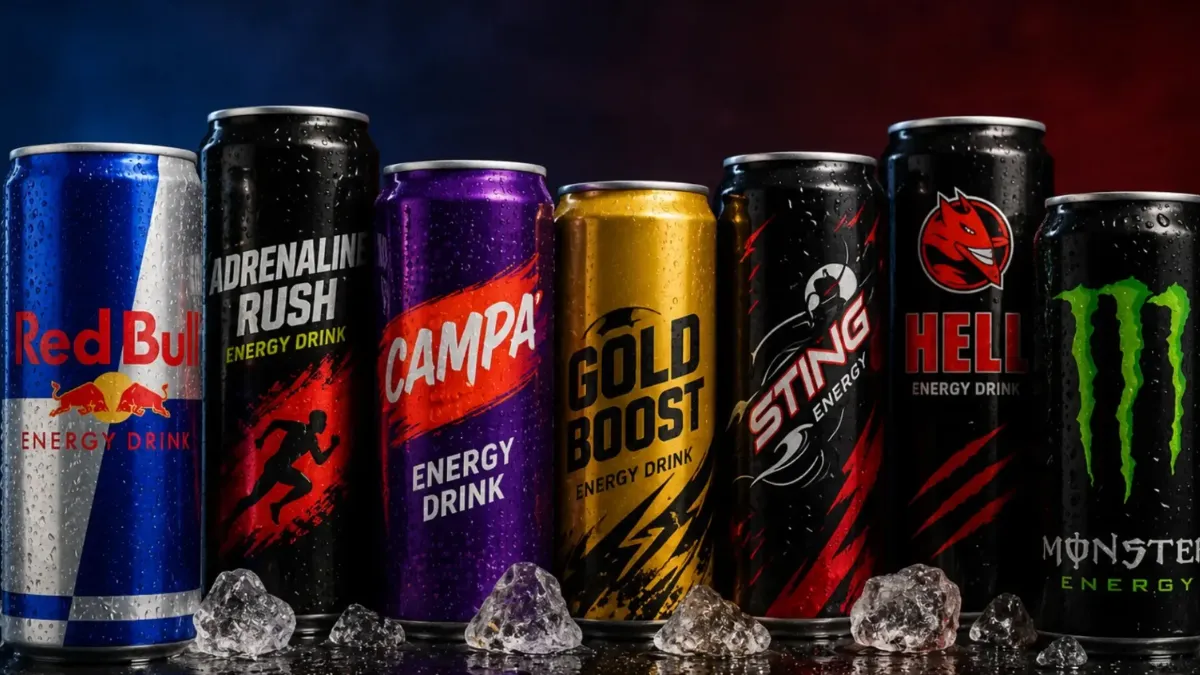
FSSAI Energy Drink Rules are set to bring a major change to the way several popular beverages are marketed in India. The Food Safety and Standards Authority of India (FSSAI) has instructed companies selling products such as Pepsi Sting, Red Bull, Monster, Campa Energy, and Hell Energy to stop using the term “Energy Drink” on their product labels.
The move is aimed at making food labeling more transparent and ensuring consumers are not misled by claims that could suggest health or performance benefits without a defined regulatory basis. While the drinks themselves are not being banned or reformulated, their packaging and marketing are expected to change in the coming months.
Why Is FSSAI Asking Companies to Remove the Label?
According to FSSAI, India currently does not have an officially recognized food category specifically defined as “Energy Drink.” Because there is no formal classification under existing food regulations, using the term on product packaging may create the impression that these beverages provide scientifically established energy or health benefits.
Regulators believe that labels should accurately describe a product without implying benefits that are not supported by approved standards. The objective is to help consumers make informed purchasing decisions based on clear and reliable information rather than promotional language.
This decision reflects FSSAI’s broader focus on improving food labeling practices and reducing the possibility of misleading claims in the marketplace.
Which Brands Are Expected to Be Affected?
Several well-known beverage companies are expected to update their packaging to comply with the new directive. Among the brands impacted are:
- Pepsi Sting
- Red Bull
- Monster
- Campa Energy
- Hell Energy
These companies will likely need to redesign product labels, packaging, and certain marketing materials by removing references to “Energy Drink” from bottles and cans.
The change is limited to labeling and branding. There has been no indication that companies must alter the ingredients or recipe of their products as part of this directive.
Industry Raised Concerns Over the Decision
Reports suggest that some beverage manufacturers initially objected to the proposal, arguing that the phrase “Energy Drink” has become an important part of their brand identity and consumer recognition.
Industry representatives reportedly expressed concern that removing the familiar description could confuse customers and affect product visibility in stores. However, during discussions with regulators, FSSAI maintained its position and reportedly informed companies that any legal objections could be pursued through the appropriate judicial process.
Sources familiar with the matter indicate that most companies have since agreed to comply with the new requirements. Businesses have reportedly been given a transition period of around 90 days to update labels and implement the necessary packaging changes.
The Consumer Protection Perspective
The decision is not about discouraging people from buying these beverages. Instead, it focuses on ensuring that marketing language accurately reflects regulatory standards.
Food labels play an important role in helping consumers understand what they are purchasing. If a product name or claim suggests specific health or performance benefits without official recognition or supporting standards, it can influence consumer perception.
By requiring more precise labeling, FSSAI aims to improve transparency and strengthen confidence in food information presented on product packaging.
Global Attention on High-Caffeine Drinks
India is not alone in reviewing how highly caffeinated beverages are regulated.
Across several countries, health authorities have examined the marketing and sale of beverages containing significant amounts of caffeine, sugar, and ingredients such as taurine. Medical experts have long advised that excessive consumption of these drinks may not be suitable for everyone, particularly children, teenagers, pregnant women, and individuals who are sensitive to caffeine.
High caffeine intake has been associated with effects such as increased heart rate, difficulty sleeping, nervousness, and restlessness in some individuals. While moderate consumption may be tolerated by many healthy adults, health professionals generally recommend paying attention to serving sizes and total daily caffeine intake.
These concerns have prompted governments in different parts of the world to review labeling rules, advertising practices, and age-related sales policies.
International Regulations Are Also Becoming Stricter
Several countries have introduced or proposed tighter rules for beverages containing high levels of caffeine.
For example, the United Kingdom has announced plans to restrict the sale of high-caffeine energy drinks to children under the age of 16. The measure is intended to protect younger consumers and reduce excessive caffeine consumption among teenagers.
Although India’s latest move focuses on product labeling rather than sales restrictions, it reflects a broader international trend toward stronger consumer protection and clearer food labeling standards.
India’s Energy Beverage Market Continues to Grow
India’s market for caffeinated beverages has expanded significantly over the past several years. Demand has increased among students, young professionals, gamers, athletes, and consumers seeking convenient ready-to-drink beverages.
Pepsi Sting, introduced in India in 2017, quickly gained popularity due to its affordable pricing and wide availability. Its competitive price helped the product reach consumers across both urban and rural markets, especially younger buyers.
International brands such as Red Bull and Monster have also strengthened their presence in India, while domestic companies have introduced competing products to capitalize on growing consumer demand.
As the category continues to expand, regulatory oversight is also evolving to ensure marketing practices keep pace with consumer expectations and food safety standards.
Read also: India-UK FTA Comes Into Force, Reducing Tariffs on Key Goods and Expanding Trade Opportunities
What Will Change for Consumers?
For most consumers, the immediate impact will be limited to what appears on the packaging.
The beverages themselves are expected to remain unchanged unless companies independently decide to modify their formulations. Consumers should continue to find nutritional information, ingredient lists, caffeine content where applicable, and other mandatory labeling details on the package.
The primary difference is that the words “Energy Drink” may no longer appear on bottles or cans once companies complete the transition to the new labeling requirements.
FSSAI Energy Drink Rules-Looking Ahead
The FSSAI Energy Drink Rules represent another step in India’s efforts to improve transparency in food labeling and strengthen consumer awareness. Rather than restricting the sale of popular beverages, the regulator is emphasizing accurate product descriptions that align with existing food standards.
As companies begin updating their packaging over the coming months, consumers are likely to notice new labels on familiar products. While the branding may change, the broader objective remains the same: providing shoppers with clearer, more reliable information so they can make informed choices about the beverages they purchase.
Related News