
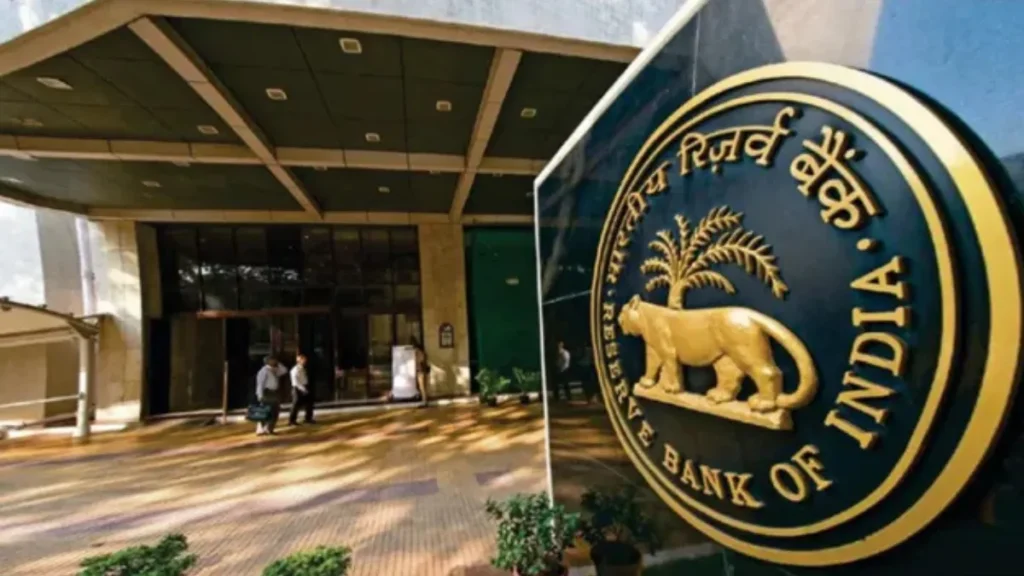
India’s rapidly growing digital payments ecosystem may soon see stricter safety measures as the Reserve Bank of India (RBI) considers new rules aimed at reducing online financial fraud. According to a recently released consultation paper, the central bank is evaluating a proposal that would introduce a one-hour delay for high-value digital transfers and require additional verification for elderly customers making large payments.
The move comes at a time when India is witnessing a sharp rise in digital payment fraud cases. As online banking, instant payments, and mobile transactions become more common, criminals have increasingly exploited technological tools such as fake call centers, mule bank accounts, and deepfake technology to deceive customers and steal money.
Proposed Delay for Large Digital Transfers
Under the proposal shared in the consultation paper, the RBI is considering a system where digital transfers exceeding ₹10,000 between two individual accounts would not be processed instantly. Instead, the payment would be held for up to one hour before final settlement.
This temporary delay would apply to transfers made through fast payment systems, including India’s widely used Unified Payments Interface (UPI) and other instant transfer networks.
The purpose of this waiting period is to give customers an opportunity to cancel the transaction if they realize they have been tricked or have made a payment under pressure or fraud. In many online scams, victims only realize the fraud minutes after sending the money. The proposed delay could provide a critical window to stop the transaction before the funds are fully transferred to scammers.
Merchant Payments May Remain Unaffected
The RBI clarified that the proposed delay would not apply to payments made to registered merchants or businesses. Payments to merchants already have dispute-resolution mechanisms and consumer protection frameworks in place. As a result, the central bank believes that applying delays to such payments could disrupt legitimate commercial transactions.
Instead, the new rule would primarily focus on peer-to-peer transfers, which are often targeted in fraud schemes where scammers impersonate bank officials, government authorities, or customer service agents.
Temporary Debit and Fraud Alerts
Another feature suggested in the consultation paper involves temporarily debiting the amount from the sender’s account during the one-hour waiting period. If the system detects suspicious activity during that time, the customer would be immediately notified so they can review or cancel the transaction.
The RBI emphasized that the goal is to enhance fraud detection without disrupting the convenience of digital payments that millions of Indians rely on every day.
To ensure that everyday payments remain smooth, the central bank proposed that low-value transactions would continue to be processed instantly, just as they are today.
Also Read: Dosa death ahmedabad Case: New Twist Emerges as Toxic Substance Found in Parents’ Blood
Sharp Rise in Digital Payment Fraud
The urgency of these measures reflects the alarming growth in online financial fraud cases across the country. Data from the National Cyber Crime Reporting Portal shows that reported digital payment fraud cases increased more than tenfold between 2021 and 2025, reaching approximately 2.8 million cases.
Financial losses linked to these crimes have grown even faster. During the same period, total losses surged nearly 40 times, reaching around ₹230 billion. Experts attribute this rise to organized cybercrime networks that use advanced social engineering tactics, mule bank accounts, and increasingly sophisticated digital tools.
Extra Protection for Senior Citizens
In addition to transaction delays, the RBI is also considering special safeguards for elderly customers. If implemented, individuals aged 70 years or older, including persons with disabilities, may be required to obtain approval from a trusted individual before making transactions exceeding ₹50,000.
The idea behind this proposal is to protect vulnerable customers who are more frequently targeted by fraudsters posing as bank officials or government representatives.
Also Read: Anant Ambani Birthday: Ambani Family Announces ₹30 Crore Pilgrim Guest House for Devotees in Dwarka
Public Feedback Before Final Decision
The consultation paper released by the RBI invites feedback from banks, financial institutions, cybersecurity experts, and the public before finalizing the rules. After reviewing stakeholder responses, the central bank may refine the proposal and introduce formal regulations.
As India continues to expand its digital economy, regulators are focusing on balancing speed, convenience, and security. The proposed measures by the RBI reflect a growing effort to ensure that the country’s digital payment infrastructure remains safe while maintaining the efficiency that has made it one of the fastest-growing payment ecosystems in the world.