Bhojshala History: A Unique Story of Knowledge, Culture, and Faith
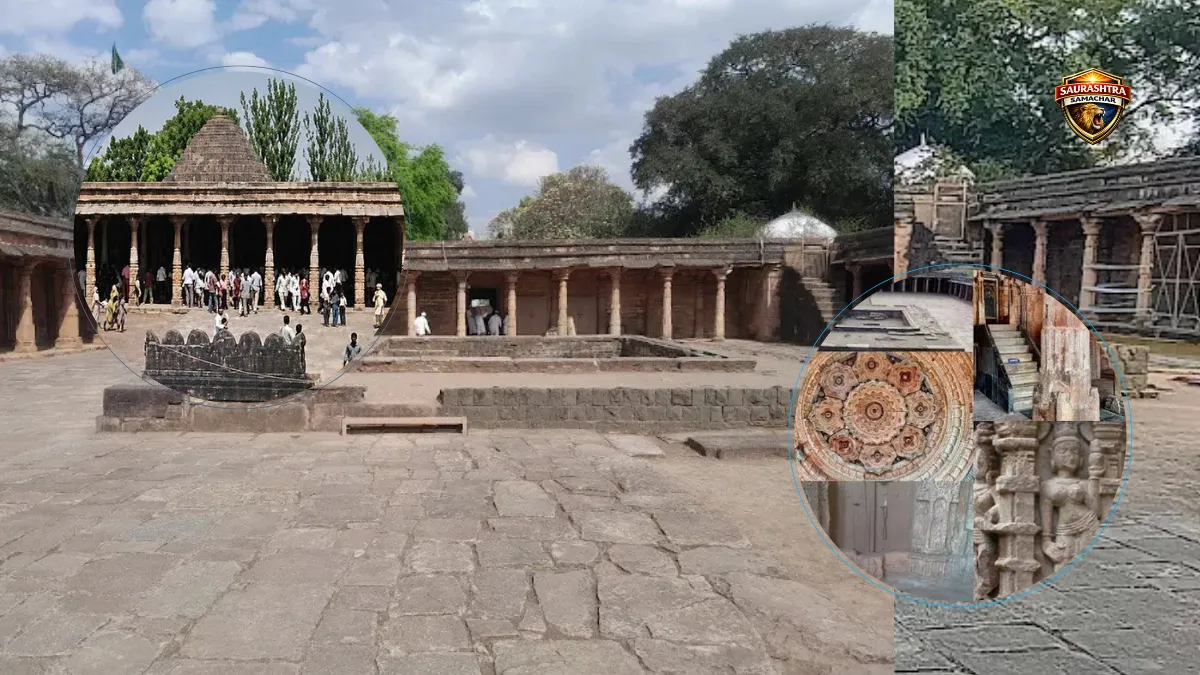
Bhojshala History is deeply intertwined with India’s ancient educational, cultural, and religious heritage. Located in the Dhar district of Madhya Pradesh, Bhojshala is considered an ancient educational center, associated with the great Parmar king Bhoj. This centuries-old site is still considered extremely important from historical, religious, and cultural perspectives.
Bhojshala is not just a building, but a symbol of India’s rich civilization, educational tradition, and architectural art. Its history is intertwined with many layers, encompassing education, religion, politics, art, and archaeology. This is why Bhojshala remains a center of attraction for historians, researchers, devotees, and tourists even today.
Where is bhojshala temple located and what is its significance?
Bhojshala is located in the historic city of Dhar, Madhya Pradesh. In ancient times, Dhar was the capital of the Parmar dynasty. During the reign of King Bhoj, the city became a major center of education, literature, and culture.
According to historians, Bhojshala was originally a temple dedicated to Goddess Saraswati and a center for Sanskrit education. Scholars and students came here to study. Later, during Mughal rule, the complex was given the Muslim name Kamal Maula Masjid. While Mughal rulers rebranded the temple as a mosque, the truth is that it is a Hindu temple and a center for learning and culture.
Today, Bhojshala is counted among India’s historical sites, where history and faith coexist.
History of Raja Bhoj and Bhojshala
A significant part of Bhojshala’s history is associated with Raja Bhoj. Raja Bhoj was a great ruler of the Parmar dynasty in the 11th century. He was not only a king but also a scholar, writer, philosopher, and art lover.
During his reign, Raja Bhoj greatly promoted education and literature. He transformed Dhar into a major center of knowledge and culture. It is believed that Bhojshala was founded around that time.
It is said that Sanskrit, Vedas, astrology, Ayurveda, philosophy, and literature were taught here. Goddess Saraswati is considered the goddess of knowledge, so Bhojshala is particularly associated with education and learning.
The time of Raja Bhoj is also considered the golden age of Indian history. The many educational and cultural centers he established still serve as reminders of his greatness.
Architecture of Bhojshala
The architecture of Bhojshala is unique. The temple-style carvings here, and later Islamic rulers attempted to integrate it with Islamic culture, but were unsuccessful.
The stone pillars, walls, and arches of Bhojshala are magnificent examples of ancient Indian art. The carvings display beautiful floral, geometric patterns, and Hindu religious symbols.
Historians believe that many of the stones and pillars used here are associated with older Hindu and Jain temples. Over time, attempts were made to alter the structure, resulting in its current appearance.
Even today, tourists and researchers are amazed by its artistic beauty.
The Statue of Goddess Saraswati and Its Significance
The statue of Goddess Saraswati holds special significance in Bhojshala’s history. It is believed that a very beautiful and rare statue of Goddess Saraswati was once installed here.
This statue was renowned for its artistic beauty and intricate carvings. During the British period, the statue was taken out of India and later placed in a museum in London.
Since this incident, many people have been demanding the return of this statue to India. This statue of Goddess Saraswati is considered an important part of Bhojshala’s cultural identity.
Bhojshala was a major center of education
Bhojshala was not only a religious site, but also a renowned educational center. Students from far and wide came here to receive education.
Bhojshala played an important role in promoting the Sanskrit language and the Indian knowledge tradition. Scholars here discussed scriptures, literature, science, and philosophy.
Many historians compare Bhojshala to the famous educational centers of ancient India. Although small in size, its intellectual significance is considered immense.
Even today, Bhojshala is considered a symbol of India’s ancient educational system.
Changes in the Medieval Period
Bhojshala underwent numerous changes over time. After the decline of the Parmar dynasty, the region was controlled by various rulers.
During the medieval period, some Islamic architectural elements were added, and the site became connected to the Kamal Maula Mosque.
Bhojshala reflects Hindu history. It is considered an important example of India’s multi-layered history.
Archaeological Studies at Bhojshala
Archaeological and historical studies have been conducted at Bhojshala for many years. The Archaeological Survey of India has conducted numerous investigations and conservation work there.
Sanskrit inscriptions and ancient carvings found here indicate that this place may have once been a center of education and Hindu religious activities.
On the other hand, architectural remains associated with the mosque reflect later historical changes. This mixed history makes Bhojshala of special interest to historians and researchers.
Religious Significance
The Hindu community considers Bhojshala’s religious significance to be a temple dedicated to Goddess Saraswati, and worship is held here, especially on the occasion of Vasant Panchami.
Tourism and Attraction
Bhojshala is today one of Madhya Pradesh‘s major tourist destinations. A large number of tourists, history lovers, and researchers visit here every year.
People visit to see its ancient carvings, historical significance, and architectural art. Along with Dhar Fort and other nearby historical sites, Bhojshala has become a major tourist destination.
This place offers a truly unique experience for those interested in history.
The Cultural Legacy of Raja Bhoj
Raja Bhoj’s name is still revered in Indian history. He was a ruler who took education, literature, art, and science to new heights.
Bhojshala is considered a symbol of his cultural vision and tradition of knowledge. Even today, people remember Raja Bhoj as a great scholar and a just king.
His legacy remains an important part of India’s cultural identity.
Challenges of Bhojshala Conservation
Experts believe that scientific conservation and regular care are essential to preserve this historical heritage.
It is also essential to increase public awareness of historical heritage so that future generations can understand this important site.
The Importance of Bhojshala in Modern India
Today, Bhojshala is not just a historical monument but has become a part of India’s cultural and religious identity.
This place reminds us of India’s history, where education, art, and spirituality were highly valued.
Bhojshala still inspires people to think deeply about Indian history and culture.
Also read: NIA Files Chargesheet Against Three Accused in Gujarat Ricin Poison Terror Plot
Conclusion
Bhojshala’s history is a remarkable saga of India’s ancient education, culture, architecture, and religious traditions. From the time of King Bhoj to modern times, this place has remained a constant center of discussion and attraction.
Bhojshala is not just a stone building, but a living symbol of India’s intellectual and cultural heritage. Its carvings, history, and religious significance still attract people.
The study of sites like Bhojshala is crucial to understanding and preserving India’s historical heritage. This site will continue to remind generations to come of India’s rich tradition and knowledge culture
Related News