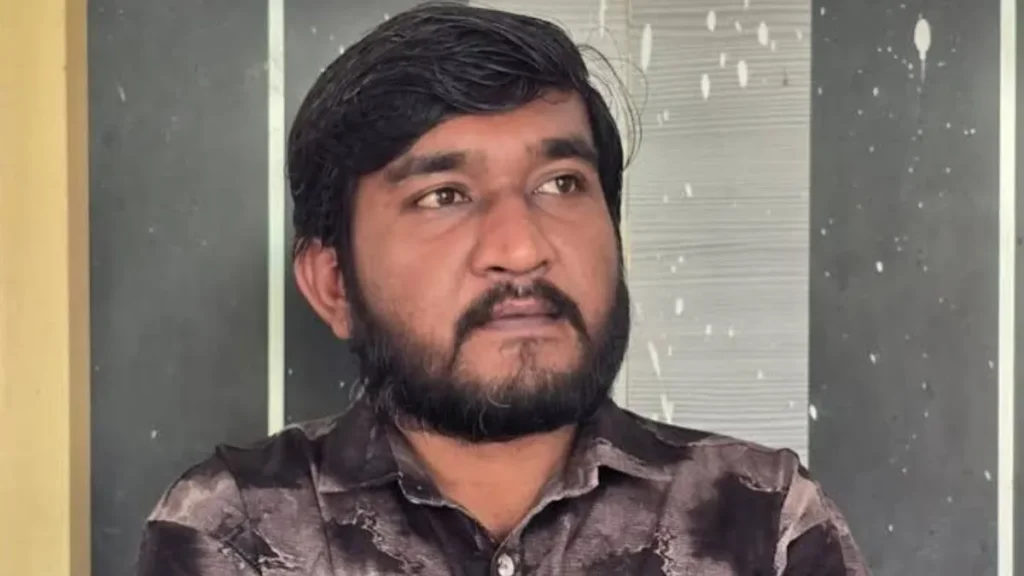
Ambalal Patel Weather Forecast Controversy: Veteran Forecaster Says He Will Stop Making Rain Predictions After Criticism
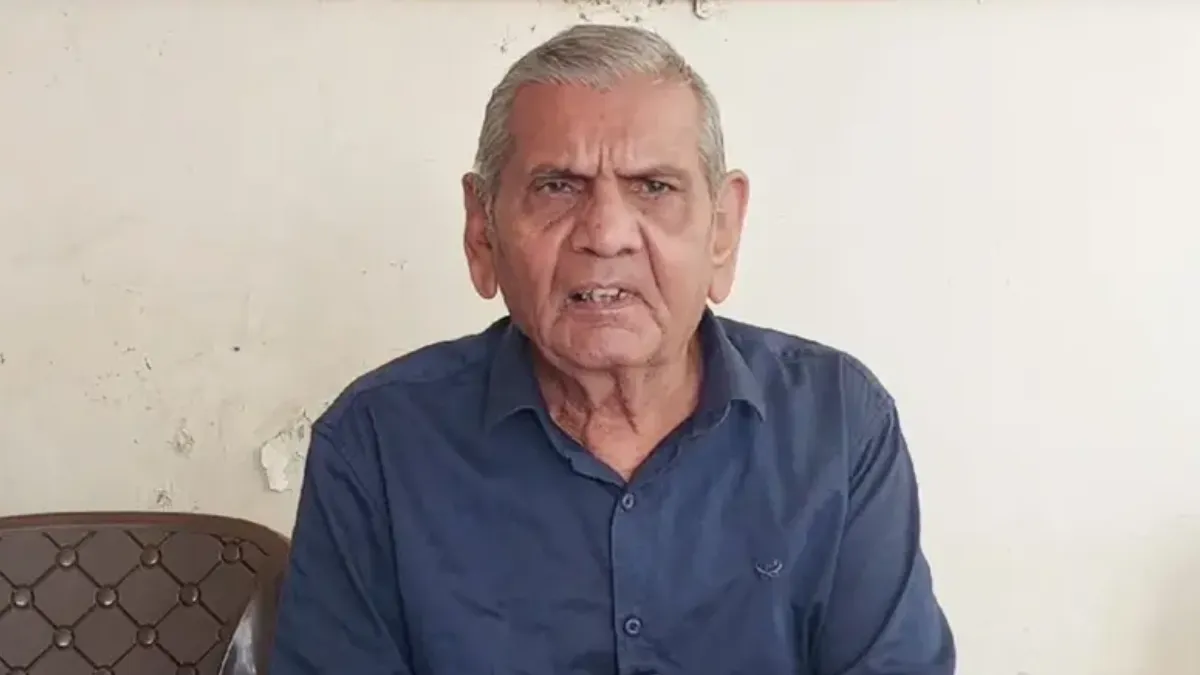
Ambalal Patel says age and growing disputes have influenced his decision, while the debate over traditional weather forecasting continues in Gujarat
The Ambalal Patel Weather Forecast Controversy has sparked a fresh debate in Gujarat after veteran weather forecaster Ambalal Patel announced that he will no longer issue weather predictions. Known for his traditional forecasts on rainfall, heatwaves, and winter conditions, Patel said he has decided to step away following criticism from members of a science advocacy group.
His announcement has triggered strong reactions from different sections of society. While science activists have questioned the credibility of private weather forecasts, the Bharatiya Kisan Sangh (Indian Farmers’ Association) has publicly appealed to Patel to continue sharing his observations, arguing that many farmers still value his experience.
Ambalal Patel Announces End to Weather Forecasts
Ambalal Patel, whose weather predictions have been followed by people across Gujarat for many years, said he no longer wishes to remain involved in public controversies.
Speaking about his decision, Patel explained that the recent criticism directed at him had deeply affected him. He said that, considering his age, he does not want to spend time responding to disputes or defending his work.
According to Patel, his forecasts have always been based on traditional methods of observing nature and long-established knowledge passed down through generations. He believes the criticism is not only directed at him personally but also at India’s traditional systems of weather interpretation that have existed for centuries.
Patel added that his intention has always been to share information for public benefit rather than seek recognition or create controversy. However, he now feels that the current atmosphere has made it difficult to continue issuing forecasts.
Traditional Knowledge at the Centre of the Debate
Throughout his career, Ambalal Patel has relied on traditional techniques rather than scientific instruments or computer models to make weather predictions. His forecasts have often attracted widespread public attention, especially before the arrival of the monsoon season.
Supporters believe that such traditional observations form part of India’s cultural heritage and can provide useful insights when interpreted carefully. Critics, however, argue that weather forecasting should rely primarily on scientific data collected through satellites, radar systems, atmospheric models, and official meteorological observations.
The ongoing debate highlights the broader question of whether traditional forecasting methods should be treated as cultural knowledge or be considered reliable sources for planning agriculture and disaster preparedness.
Patel Leaves the Door Open for a Possible Return
Although Patel has announced that he will stop making weather forecasts for now, he did not completely rule out returning in the future.
He said that he has always worked selflessly for the benefit of society and would consider resuming forecasts only if circumstances become more positive and people continue to place their trust in him. Until then, he said he has no plans to issue any new weather predictions.
Science Group Questions Accuracy of Private Forecasts
The controversy intensified after Advocate Jayant Pandya, Chairman of Bharat Jan Vigyan Jatha, renewed his criticism of private weather forecasters.
Pandya claimed that several private rainfall predictions made for the first half of July had failed to match actual weather conditions across Gujarat. According to him, more than 60 talukas in the state had still not received significant rainfall, creating difficulties for farmers who had already sown crops in anticipation of rain.
He argued that inaccurate forecasts could encourage farmers to make decisions that may result in financial losses, particularly when seeds are planted before sufficient rainfall arrives. Pandya said that those making misleading weather predictions should be held legally accountable if their claims cause public harm.
He also alleged that some private forecasters repeatedly change prediction dates without relying on scientific evidence.
Scientific Forecasting Versus Traditional Predictions
Jayant Pandya emphasized that official weather agencies use extensive scientific resources to prepare forecasts.
According to him, government meteorological departments analyze data collected from multiple weather stations, satellites, wind patterns, atmospheric pressure systems, and oceanic conditions before issuing public forecasts. While official forecasts may also occasionally prove inaccurate, he argued that they are supported by scientific analysis and transparent methodologies.
In contrast, Pandya questioned the methods used by private forecasters, stating that they generally do not rely on validated scientific instruments or tested forecasting systems.
He urged farmers to consult agricultural experts and official meteorological services before making important farming decisions rather than depending solely on unofficial weather predictions.
Open Challenge Issued to Private Forecasters
The science organization also issued a public challenge to private weather forecasters.
It called on them to publish detailed rainfall forecasts extending through the end of August in a formal and verifiable manner if they were confident in the accuracy of their predictions. The group argued that consistent and measurable forecasting would help establish credibility and allow the public to evaluate forecasting methods more objectively.
The organization also encouraged farmers to make agricultural decisions based on scientific weather information to reduce the risk of crop losses during uncertain monsoon conditions.
Bharatiya Kisan Sangh Comes Out in Support of Ambalal Patel
As the controversy grew, the Bharatiya Kisan Sangh publicly expressed support for Ambalal Patel.
The organization’s General Secretary, R.K. Patel, appealed to the veteran forecaster not to discontinue his weather updates. He said the farmers’ organization would stand by him and believed his experience continued to hold value for many people in rural communities.
According to the association, Ambalal Patel’s forecasts are based on years of observing natural patterns rather than modern technological equipment. The group argued that such traditional knowledge has helped many farmers remain alert about changing weather conditions.
The organization also stated that whether farmers choose to follow Patel’s forecasts should remain a personal decision between the forecaster and the farming community, rather than becoming the subject of public disputes involving scientific organizations.
The Bharatiya Kisan Sangh further said it would continue supporting Patel wherever necessary during the ongoing controversy.
Weather Forecasting Debate Reflects Larger Questions
The Ambalal Patel Weather Forecast Controversy has become more than a disagreement over rainfall predictions. It reflects a larger discussion about the role of traditional knowledge alongside modern science in weather forecasting.
While scientific institutions stress the importance of evidence-based forecasting supported by advanced technology, many people continue to value traditional weather observers whose predictions have become part of local culture over decades.
For farmers, whose livelihoods often depend on timely rainfall, access to reliable weather information remains essential. Experts generally recommend considering official meteorological forecasts as the primary source of planning while understanding that traditional observations continue to hold cultural significance for many communities.
As the debate continues, Ambalal Patel’s announcement marks a significant moment in Gujarat’s long-standing tradition of public weather forecasting, leaving many followers wondering whether one of the state’s most recognized weather voices will eventually return.